





Jelly Shoes Are Back, but at What Cost?
With the nostalgic trend firmly back in rotation, why is no one talking about its footprint?
Every time a trend from the 2010s returns, we seem to be surprised, outraged and nostalgic all at once. We keep asking ourselves, what’s next? At what point are we supposed to prepare for galaxy print leggings and moustache motifs? Well, for the latest iteration of the nostalgia trip, it’s jelly shoes. Completely plastic and undeniably fantastic, the Polly Pocket-esque trend has taken over the latest runway shows and is now in every summer campaign, with high street shops offering dupes of the playful footwear designs.
The jelly shoe’s origins are surprisingly practical. The style was invented by a French shoemaker in the 1940s, crafted from PVC as a post-war solution to Europe’s leather shortage. Cheap to produce and naturally waterproof, they crossed the Atlantic in the early 1980s and became a full-blown fashion phenomenon. By the early 90s, Brazilian brand Melissa had turned the humble PVC sandal into something aspirational, collaborating with brands like Jean Paul Gaultier and Karl Lagerfeld, proof that the jelly shoe’s high-fashion ambitions are nothing new. The trend faded, resurfaced in the late 2000s in chunky, cut-out form and then got quietly filed away under “fashion mistakes we don’t talk about.” Until now.
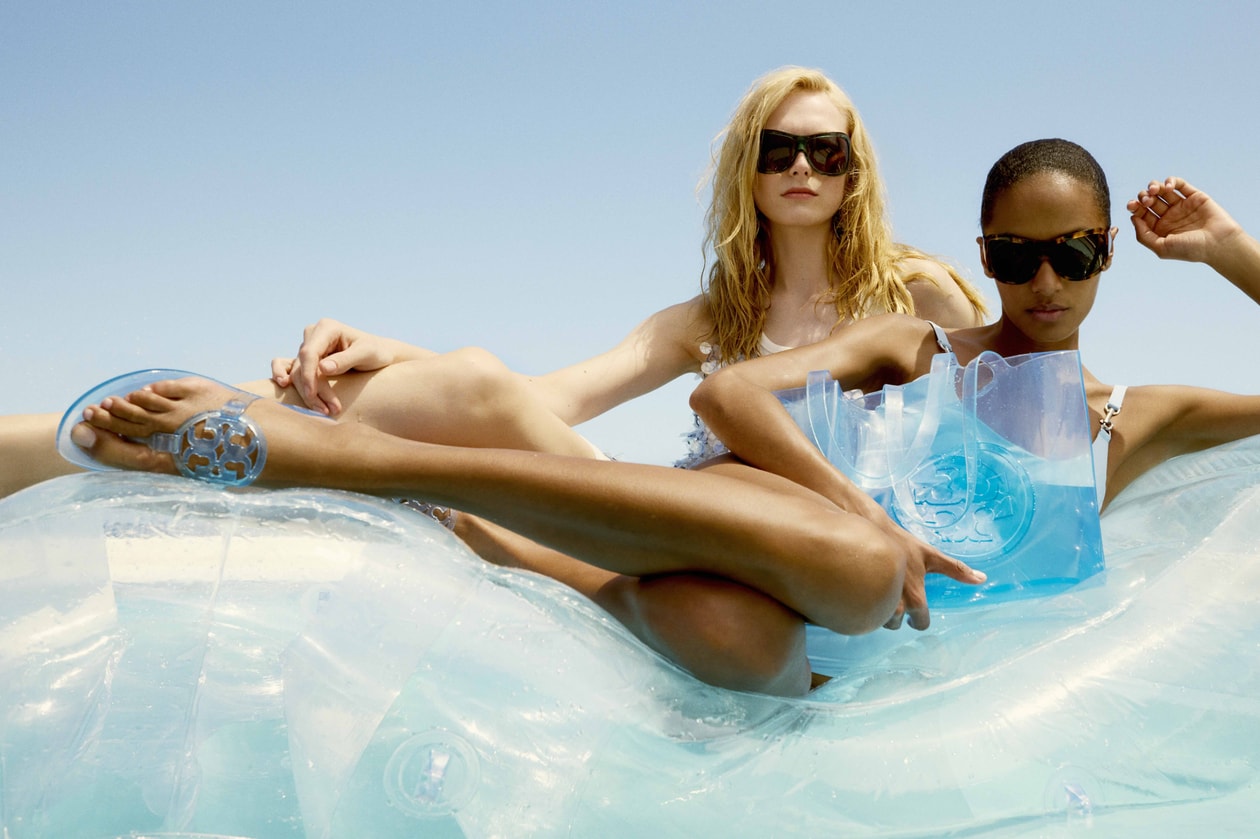
Tory Burch
But don’t worry, the revival is taking on a far more elevated form, with slimmer shapes, thinner straps and higher heels that fit neatly into 2026’s biggest footwear moments (think ballet flats, flip-flops and kitten heels). It first took hold in 2025 when The Row sent its now-viral netted flats down the SS25 runway, something nobody saw coming, given that plastic doesn’t exactly belong in the same sentence as quiet luxury. Chemena Kamali then took the baton at Chloé with translucent strappy sandals. Suddenly, the shoe that would have been written off as a fashion disaster just a few years ago found its way back in rotation at the industry’s hottest houses.
Fast-forward to now, and as temperatures rise, the jelly shoe revival is officially hitting the mainstream. Leading the charge is Chloé once again, this time with a jelly kitten-heel mule that looks something like Cinderella’s glass slipper. Continuing the whimsical energy of last year’s revival, the divisive style (which already has many worried about the blister potential) has still managed to earn “shoe of the summer” status, quickly selling out. Elsewhere, LOEWE offered a more conceptual take with its double-layered transparent booties, complete with a colored inner sock. Rather than creating the illusion of a bare foot, the design proved the trend is also for those not quite ready to get their toes out.
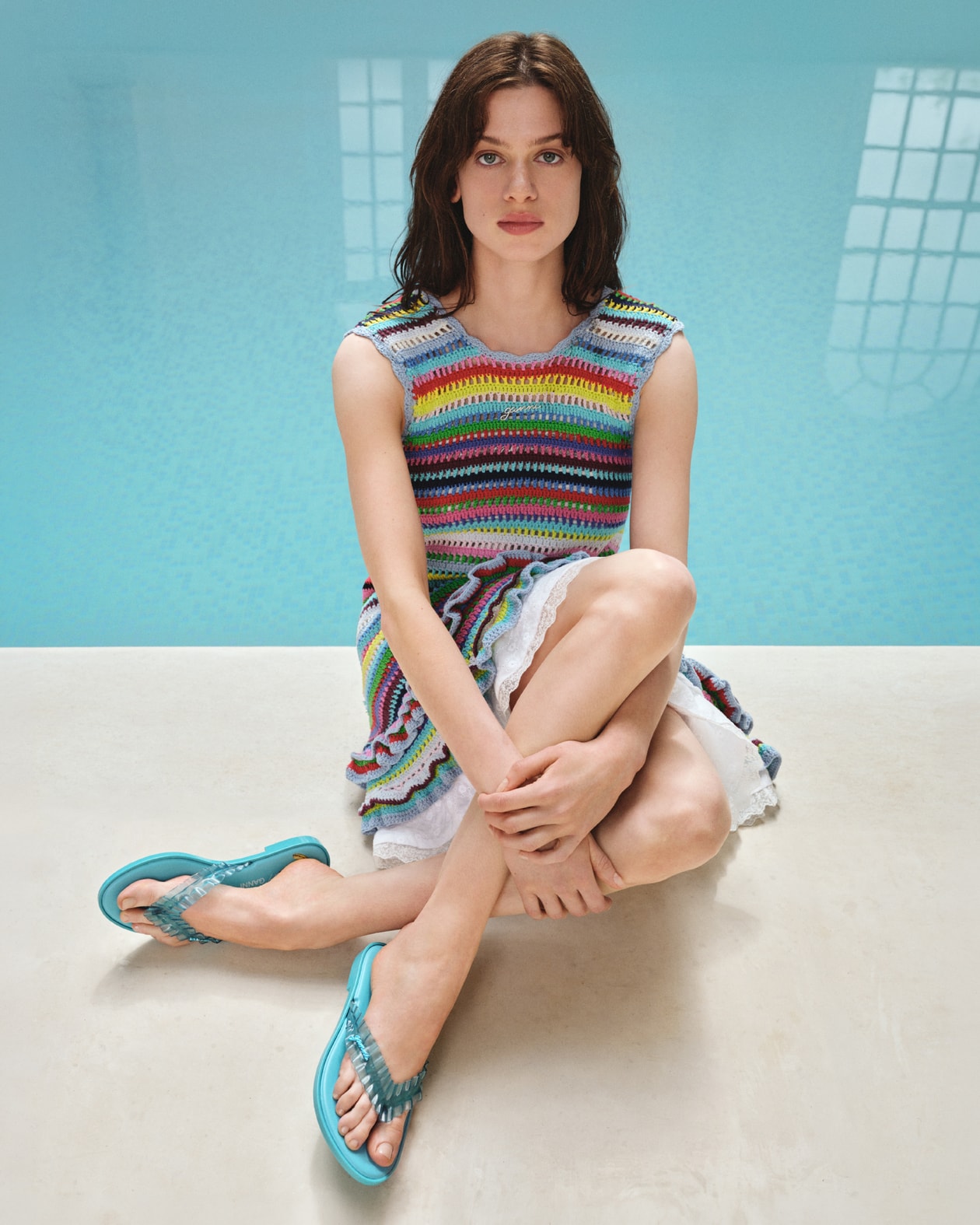
Melissa x GANNI
From there, the jelly takeover continued with Monse and Sperry’s jelly boat shoes, Tory Burch’s netted ballerinas and Melissa, the undisputed authority on jellies, continuing to dominate the category. Fresh off collaborations with Susan Fang and GANNI, Melissa is pushing heeled flip-flops and futuristic silhouettes destined to flood your feed all summer long.
Here’s where it gets complicated. Everyone is talking about the trend, but no one is talking about the impact. Jelly shoes are made from PVC, one of the most environmentally problematic plastics around. Alongside using toxic chemicals, the material is notoriously difficult to recycle, and at the end of its life, your pair is almost certainly heading to a landfill for the next few hundred years.
As fashion’s sustainability conversation has matured, the jelly shoe revival arrives with a certain cognitive dissonance built in. We’re buying into a trend that is, at its core, a single-use plastic product often purchased cheaply, worn for a season and discarded.
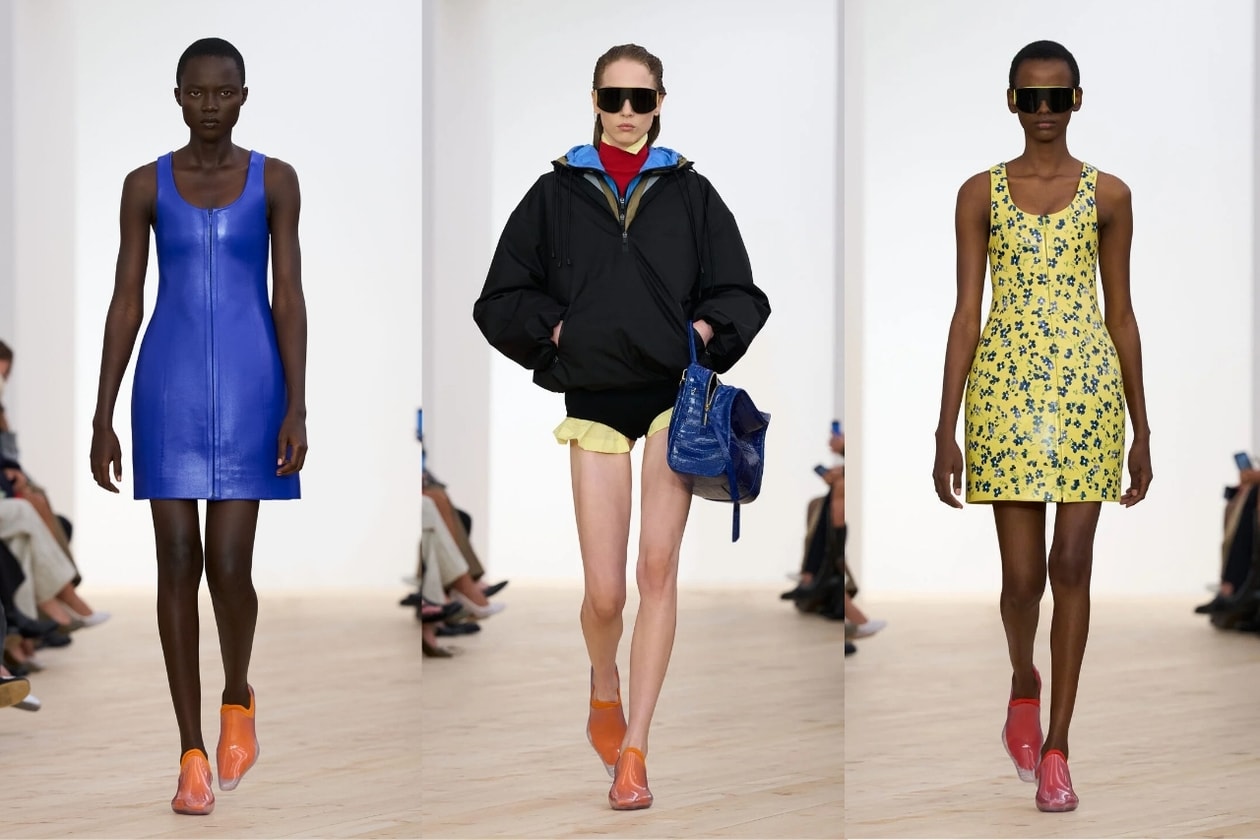
LOEWE
That said, some brands are navigating this more thoughtfully than others. Melissa produces its shoes in recyclable plastic and runs a take-back programme allowing customers to return worn pairs, a step in the right direction, even if the broader industry’s jelly offerings don’t follow suit. The most sustainable route, as ever, is to buy less and buy better. A well-made pair from a brand with recycling credentials will outlast and outshine a cheap high street ‘dupe’ that cracks by August.
So, what once felt outdated has officially proven its staying power. With fresh interpretations spanning peep-toe mules, kitten heels, booties and barely-there sandals, the jelly shoe has shed its childish reputation for something far more elevated. This is no longer just playground nostalgia; it’s fashion’s latest grown-up obsession, seamlessly entering even the most refined wardrobes. But as we slip into our transparent shoes this summer, it’s worth pausing on what we’re actually buying into: a material with a complex legacy and a complicated future. The jelly shoe is back, just make sure the pair you choose is worth the plastic it’s made from.