





Do We Still Need Gendered Fashion Weeks in 2026?
Co-ed runways, shrinking budgets and a sustainability reckoning are putting the split fashion calendar on borrowed time.
Every February and September, the fashion industry packs its bags for New York, London, Milan and Paris, then does it all again a few months later for the men’s shows. It’s a schedule so entrenched it barely gets questioned anymore. But as more brands blur the line between womenswear and menswear on the runway, and as the environmental cost of an ever-expanding show calendar becomes harder to ignore, it’s worth asking: do we actually need separate fashion weeks for men and women at all?
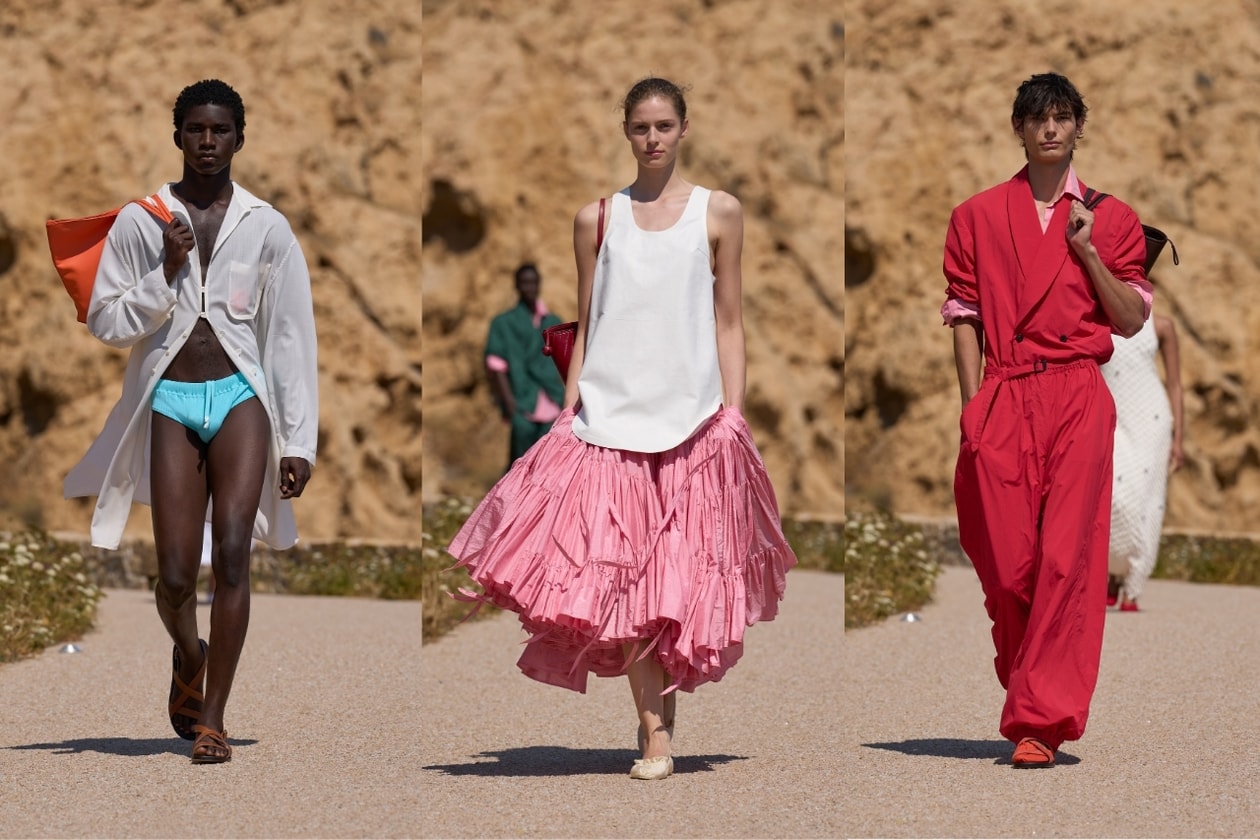
You don’t have to look far for evidence that the industry is already moving this way. Jacquemus has long shown men and women together in a single presentation. Willy Chavarria’s shows mix masculine tailoring with dresses and skirts on the same runway, refusing to separate his cast by gender at all. Maison Mihara Yasuhiro and AMI have followed similar paths, treating “collection” as the unit that matters, not “menswear” or “womenswear.”
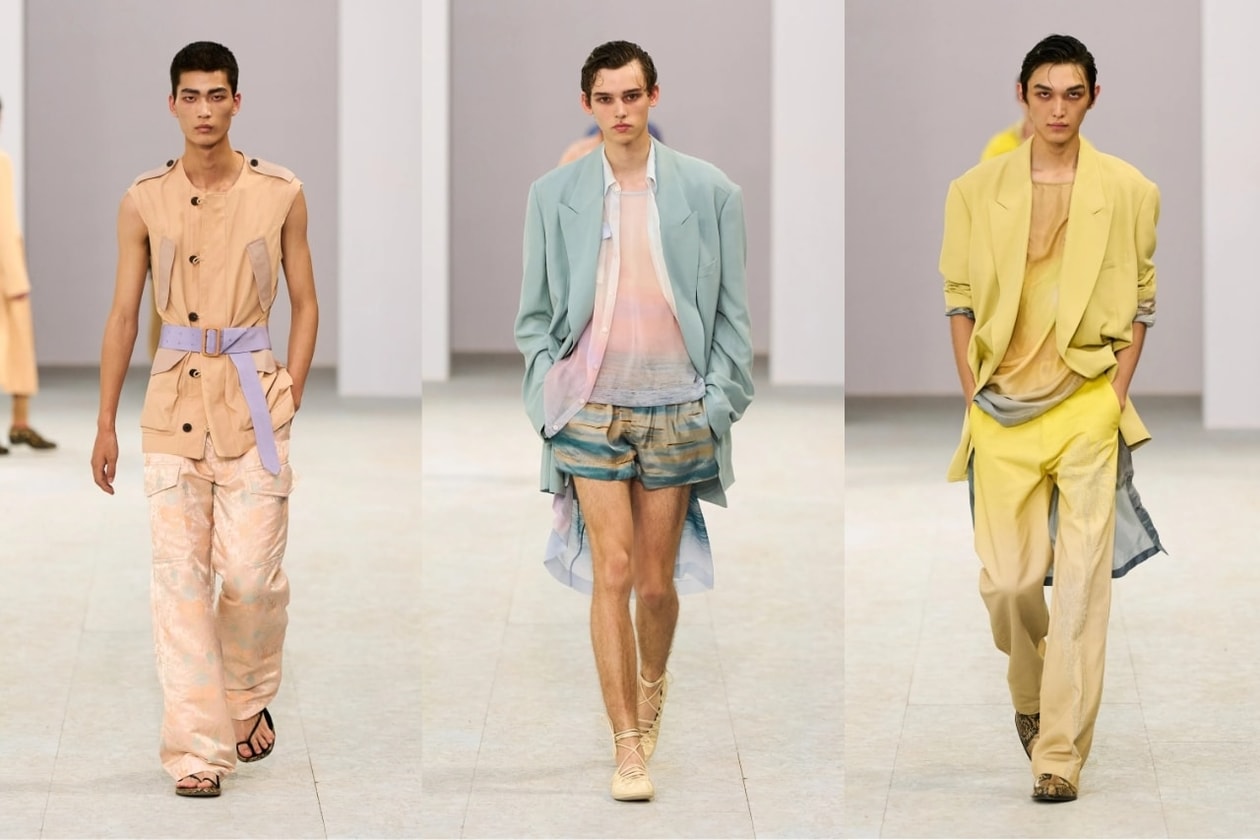
Then there’s the design language itself. Dries Van Noten’s SS27 show was a masterclass in color, flowing texture and femininity for men. Since taking over as creative director of the house in 2024, Julian Klausner’s previous work in the womenswear department has proven a strong advantage. As many menswear designers continue to lean into softer, more delicate silhouettes, this collection really pulled out all the stops with references exploring everything from lingerie and backless halter-tops to ballet shoes. This was an enchanting showcase of how a collection can go far beyond gender and appeal to all fashion lovers, no matter their orientation.
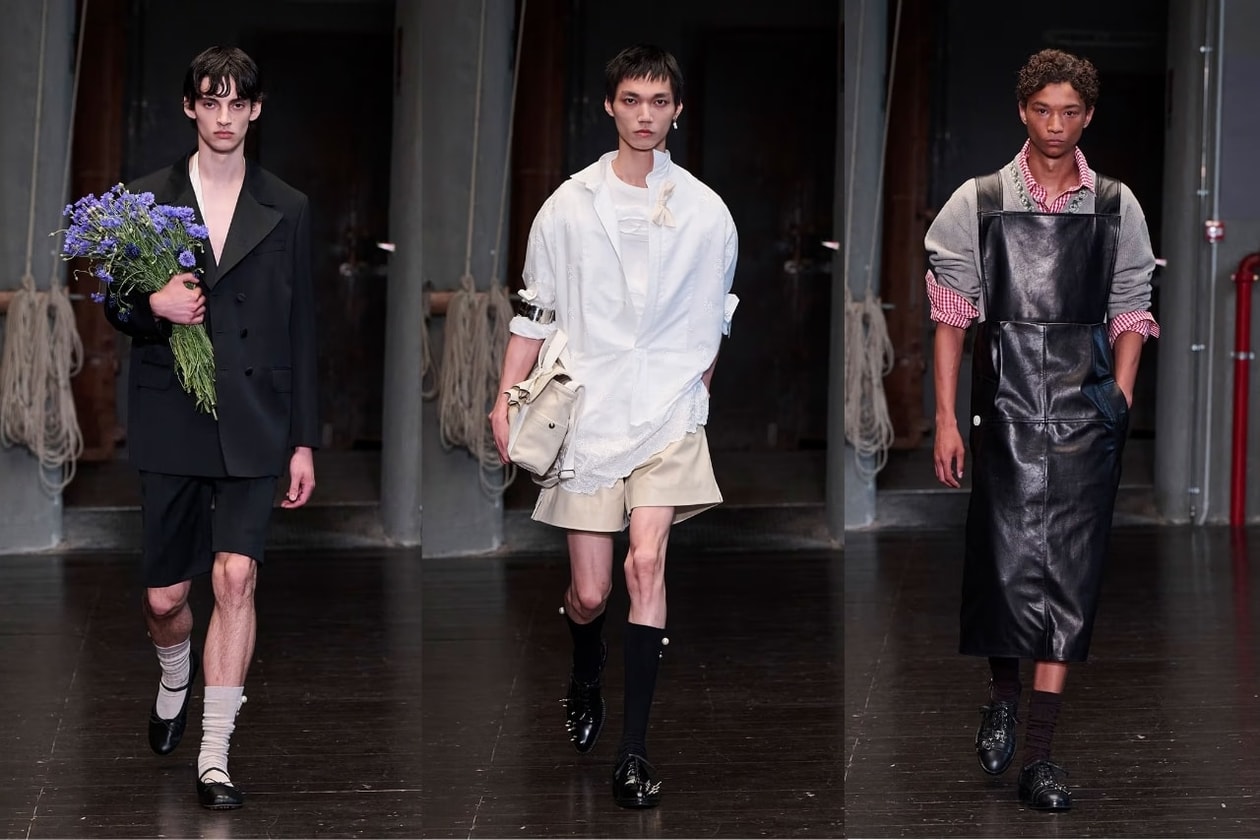
Elsewhere this season, Simone Rocha’s move into menswear extended her signature romantic vocabulary, think ruffles, sequins, pearl embellishments, onto male models, presenting the man as what one could call the “counterpart” to the Simone Rocha woman rather than a separate customer entirely. None of this reads as novelty. It reads as designers simply extending one creative vision across bodies, rather than building two.
Even London Fashion Week restructured around this shift. The British Fashion Council scrapped its standalone June menswear edition in 2025, folding men’s presentations into the co-ed February and September schedule instead. That’s not a brand-level choice; that’s an entire fashion capital deciding the split calendar wasn’t earning its keep.
The case against having any excess fashion weeks predates the gender conversation, though. Critics have argued for years that the current model of four cities, twice a year, plus dedicated menswear weeks in January and June for Milan and Paris asks editors, buyers and talent to fly around the world roughly eight times annually to watch clothes that won’t reach shelves for six months. Add couture, resort and pre-fall showings, and the travel footprint balloons further. For an industry that talks constantly about sustainability, that’s a hard contradiction to defend.
Combining men’s and women’s calendars wouldn’t fix overconsumption on its own, but it would cut real travel, real venue costs and real duplicated effort for cities, for houses and for those expected to attend everything.
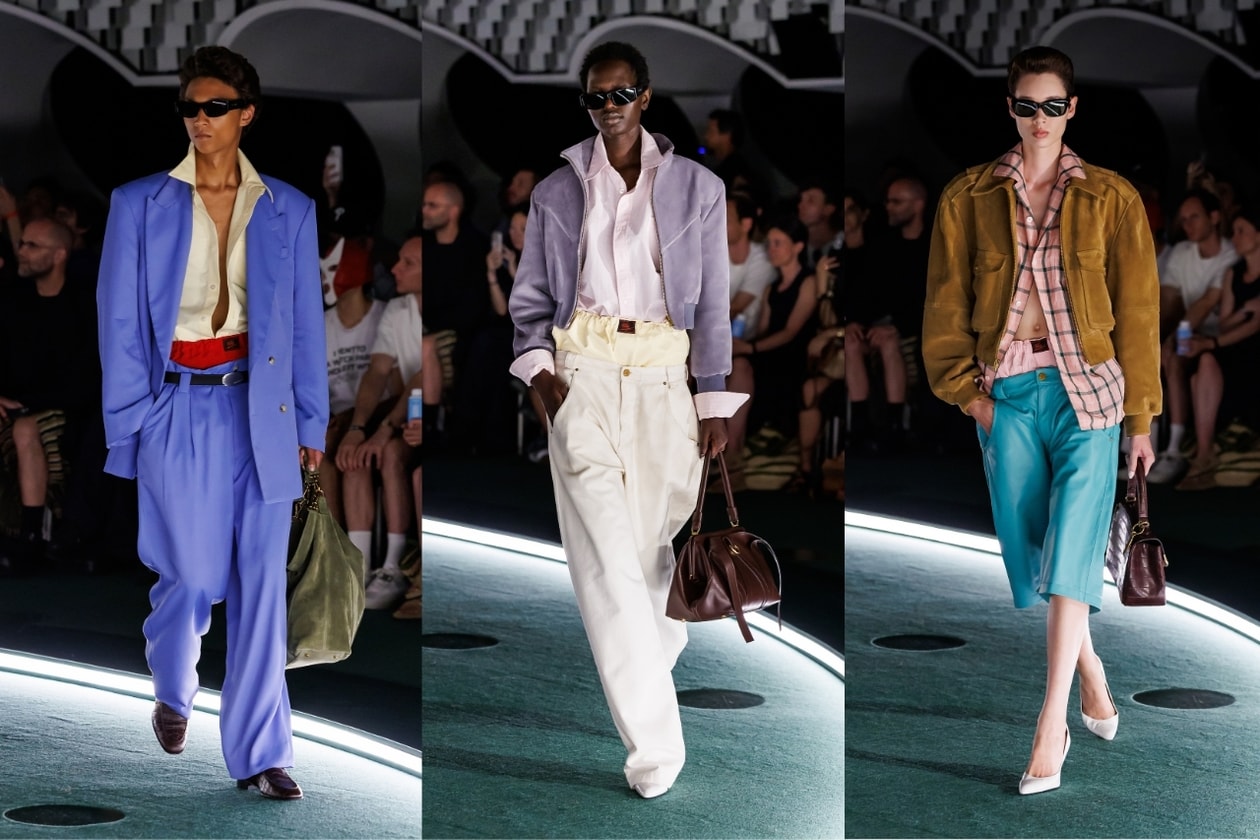
The argument for keeping the weeks separate, of course, still exists. Menswear week, as scaled-down and thinly attended as it can feel next to the women’s shows, still gives smaller or emerging labels a slot of attention they might lose entirely if folded into the bigger women’s calendar. There’s also a commercial logic some brands rely on: distinct buying seasons, distinct customer bases, distinct retail calendars that co-ed shows can complicate from a production standpoint. And plenty of designers, including major ones who haven’t gone co-ed, such as Prada, Dior and Saint Laurent, still conceive of menswear and womenswear as genuinely different design problems, not just the same idea shown twice.
There’s also a fair counterpoint to the gender-fluidity argument itself: a designer putting men in soft, feminine-coded clothing and women in oversized suits isn’t necessarily arguing that gender doesn’t matter. It can just as easily be read as a deliberate provocation that depends on the categories still existing to have any impact at all.
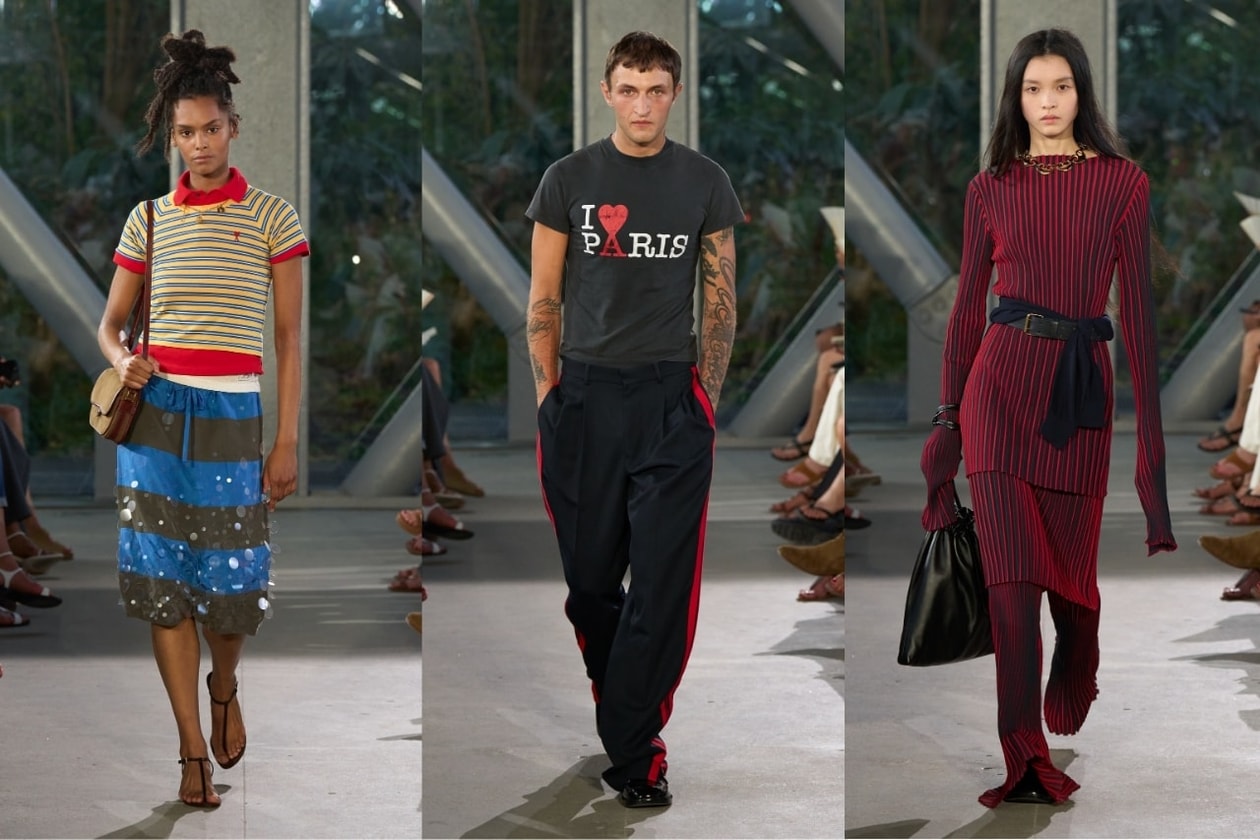
Maybe the more useful question isn’t about men’s vs. women’s but about how many fashion weeks the world actually needs? The gender split might be the easiest piece to cut, precisely because so many of today’s most interesting designers have already stopped treating it as meaningful. So, will major fashion councils follow London’s lead? Or will commercial habit and brand nostalgia keep the split calendar alive a while longer? We’ll be watching for the answer in the seasons ahead.