





We Went Behind the Quilting to See How Miu Miu's Matelassé Bags Are Made
From the archive to the assembly line, here’s a look inside the making and legacy of Miu Miu’s signature technique.
On a Fall/Winter 2006 Paris Fashion Week runway, Miu Miu introduced a leather so distinct in texture and attitude that it would go on to define the house’s design vocabulary. Matelassé, a raised, unmistakably tactile quilting, has shifted in scale and color since, moved between silhouettes, gone soft and pastel one season, then candy-bright the next. Throughout, Matelassé has remained something fashion fans keep circling back to, a symbol that holds all the complexity and range folded into the Miu Miu woman.
We made a trip to Tuscany, where the Matelassé actually gets made, to see the process behind the bags firsthand. From the archive that houses its history to the workshop floor where a single leather panel becomes a Wander or perhaps an Arcadie, here’s everything we saw along the way.
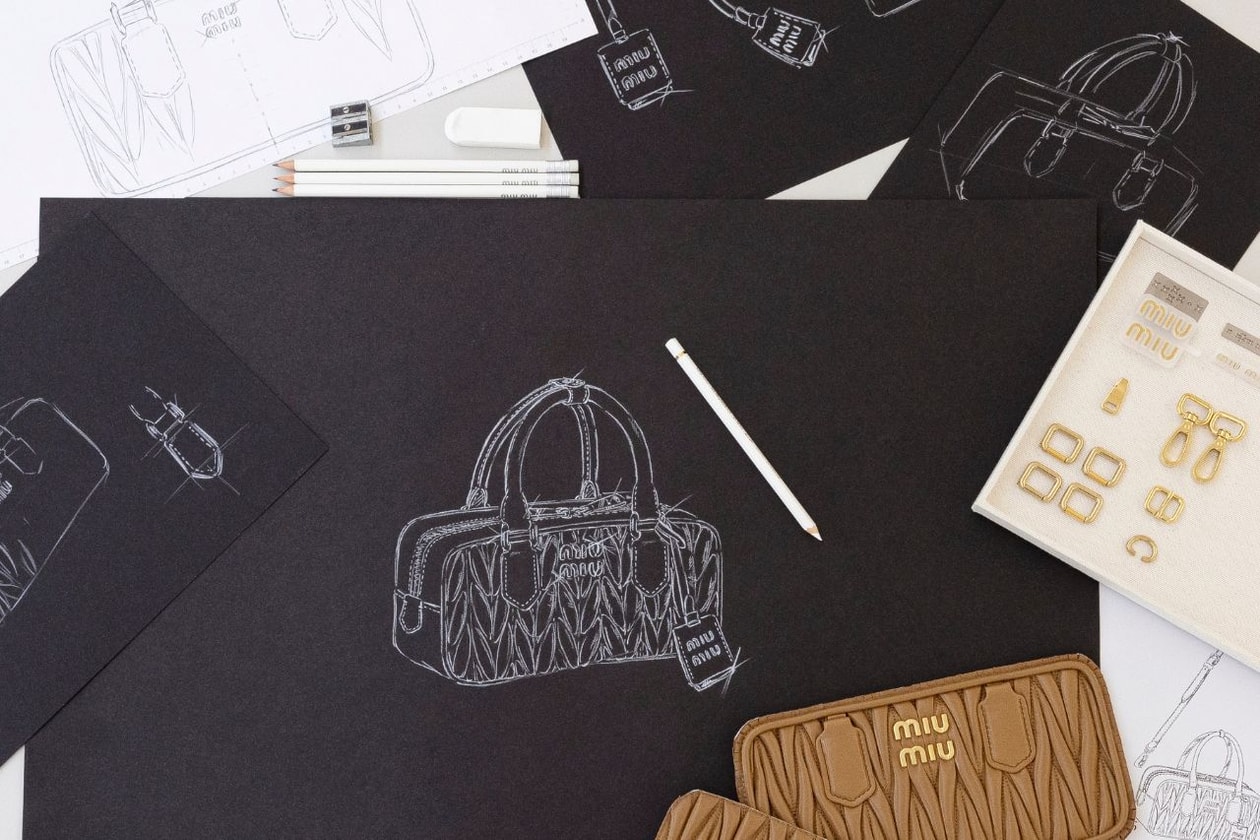
The visit began before we even reached the factory floor, with a tour of the Prada Group‘s headquarters just outside Florence. The site itself has a history almost as layered as the leather it produces.
The complex was designed by architect Guido Canali, a longtime collaborator of the house, and his fingerprints are everywhere. The main building was given a name from its occupants that says it all, the “Winter Garden.” Built primarily from steel, it was designed around a near-equal balance of structure and greenery. Vines cover much of the exterior, a deliberate nod to what the land was used for before Prada Group built there, and every plant on site was chosen specifically because it’s native to Tuscany.
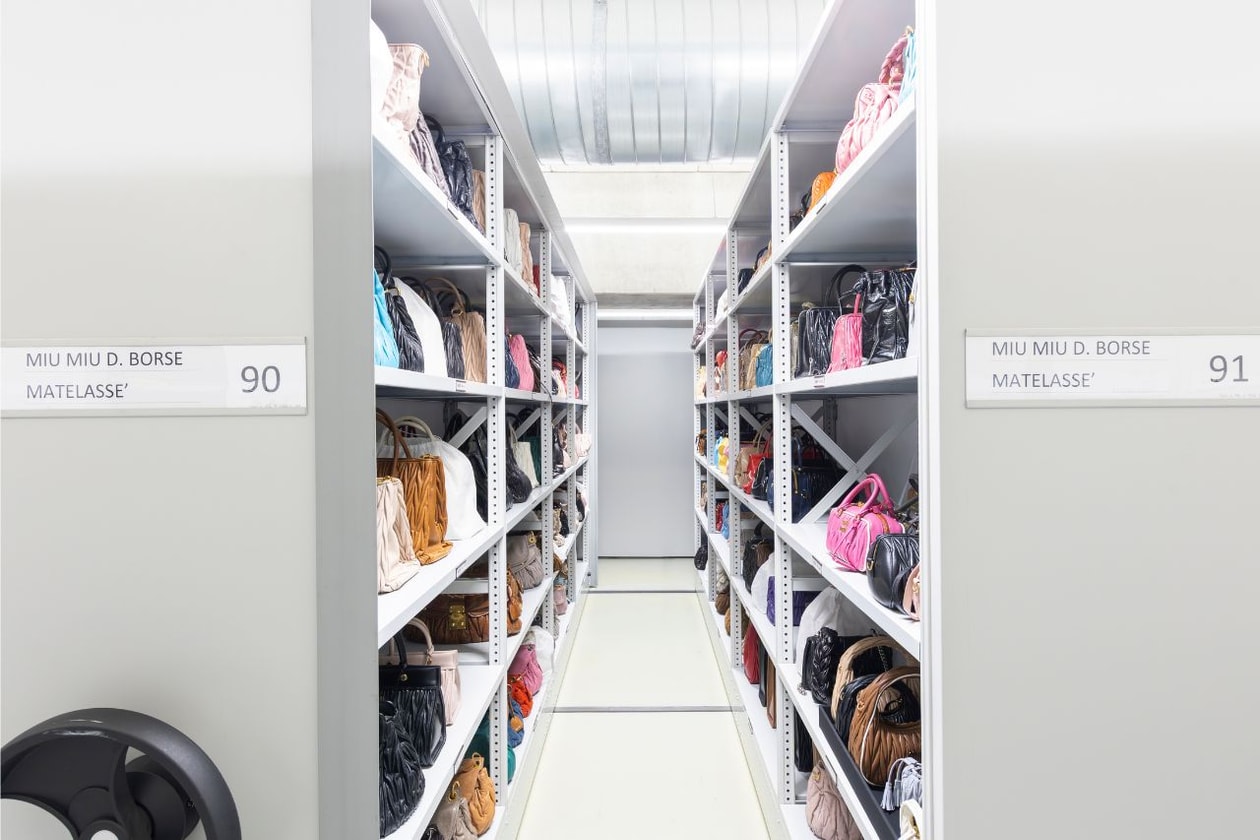
From the main entrance, we moved into the archive; a room where decades of Miu Miu and Prada history live side by side. Organized so that entire categories of work can be viewed together, it holds an estimated 22,100 Miu Miu pieces, including 6,500 handbags. The design team visits the archive daily for reference, and pieces regularly leave the archive for exhibitions, campaigns and events in Milan and beyond.
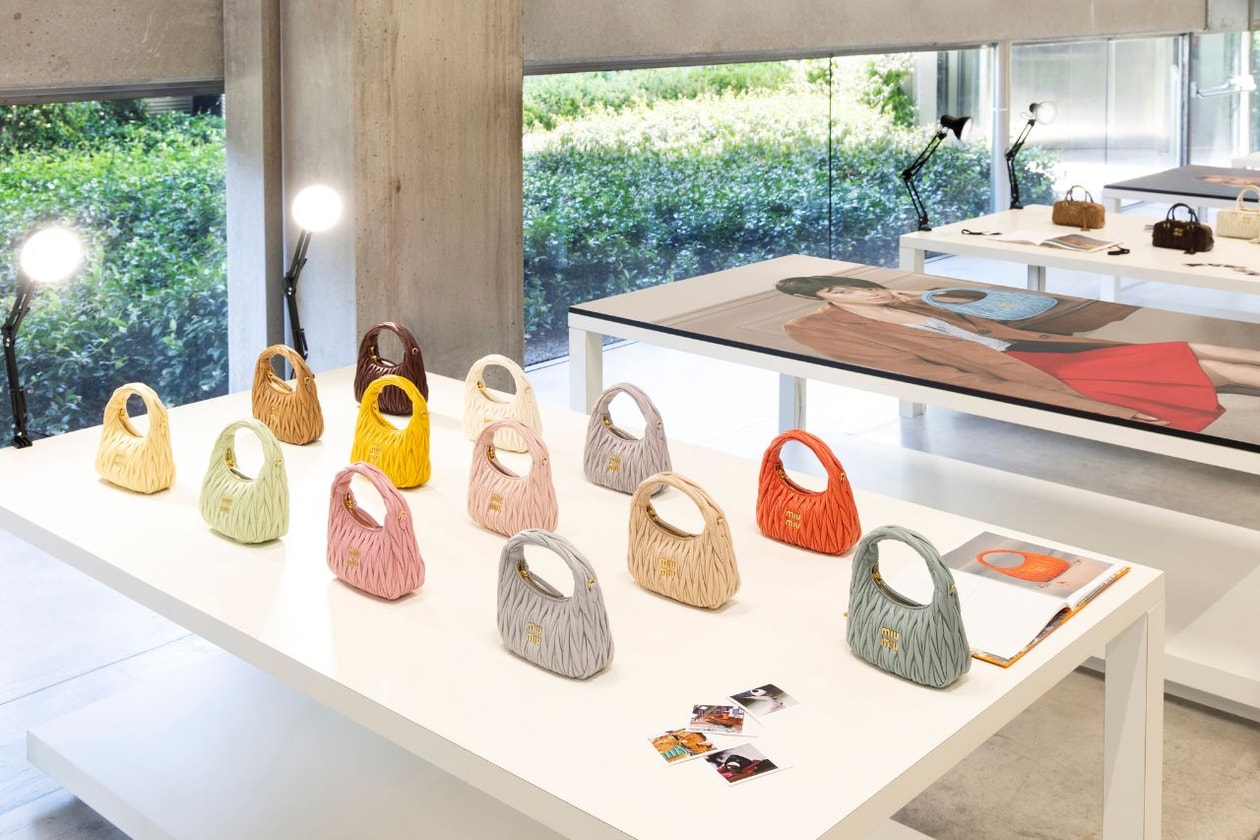
Next came the factory, where the real education began.
The Matelassé origin story is better than you’d expect for something so precise; Matelassé wasn’t planned. It came out of an experiment that wasn’t supposed to become a signature at all, and once it hit the runway, it took off in a way no one on the design team fully anticipated at the time.
The process is still entirely Italian, produced from start to finish in-house. And despite how sculptural the finished leather looks, nothing about the design process is 3D. Every pattern, every panel, every piece of a Matelassé bag is worked out in 2D design programs before it ever becomes a physical object.
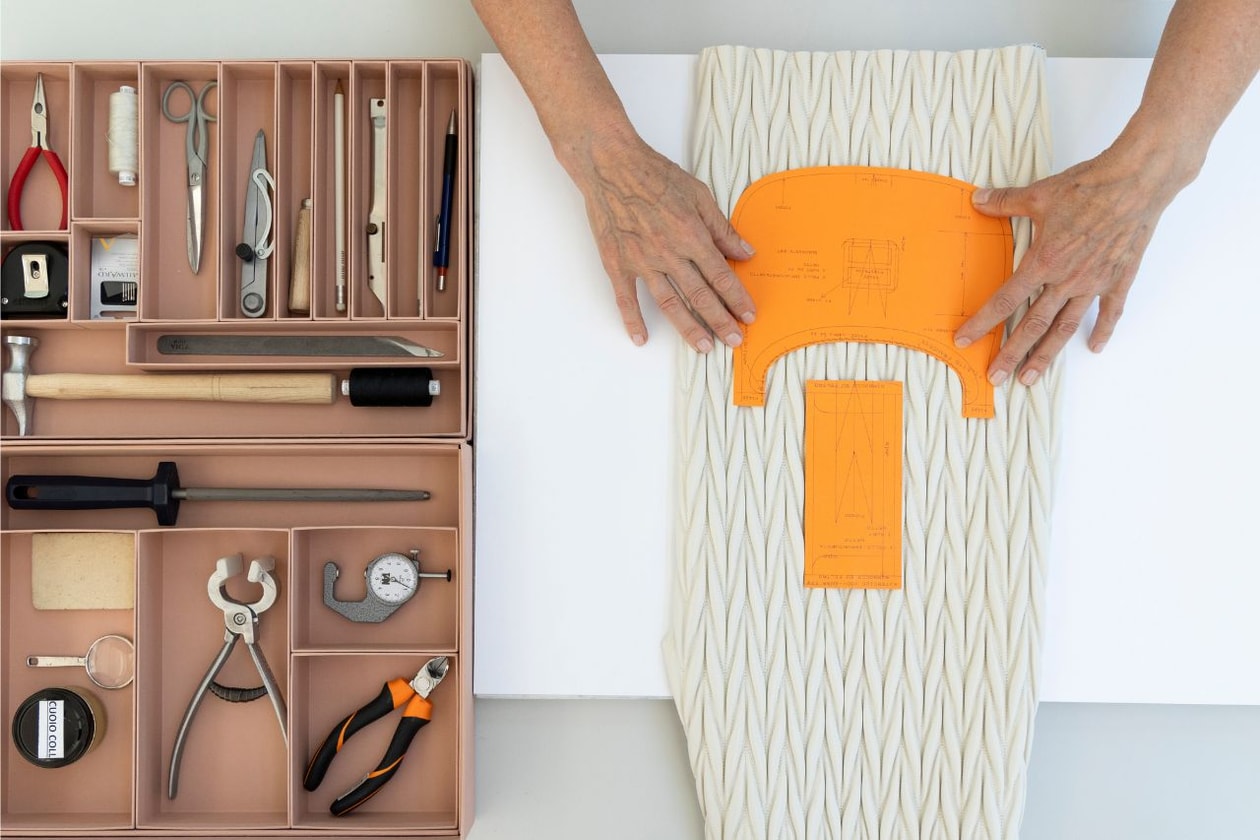
The making technique starts with the machine. A program is set, and the stitching begins across the leather panel. Once the panel is cut away from the rest of the material, an elastic lycra layer underneath pulls it inward, drawing the surface into the raised, textured pattern the technique is named for.
Once cut, all the components for a single bag are boxed together and handed off to an assembly operator. Only after that prep work is complete do the components come together into a finished bag. What’s easy to miss from the outside is just how many elements go into the finished result. A single Wander bag, for example, is built from roughly 100 individual pieces.
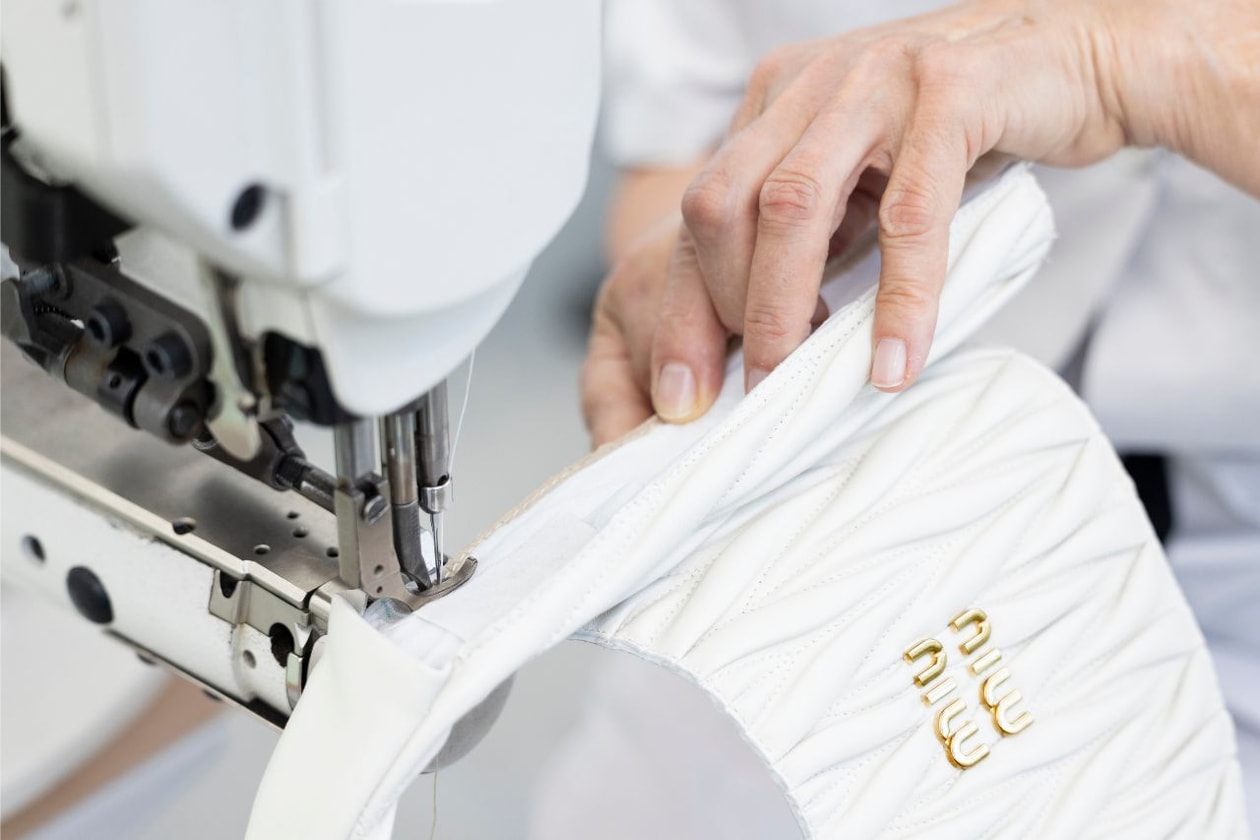
Finished goods route through a logistics hub, just outside Florence, where Miu Miu works alongside longstanding manufacturing partners. Every single product that passes through gets a full inspection there. One team member summed up the philosophy plainly: “we don’t leave anything to chance.” The process of quality control stays manual and visual, run by people who know the product intimately.
Perhaps the most memorable moment of the day came from the artisan overseeing the quilting demonstration, who joked that showing us the process meant he’d now have to keep us quiet about the secret. He’s spent 42 years in leather goods, and has watched the trade shift considerably since. His favorite part of the job, though, hasn’t changed; seeing a bag go from raw material to finished object, start to finish, by hand.
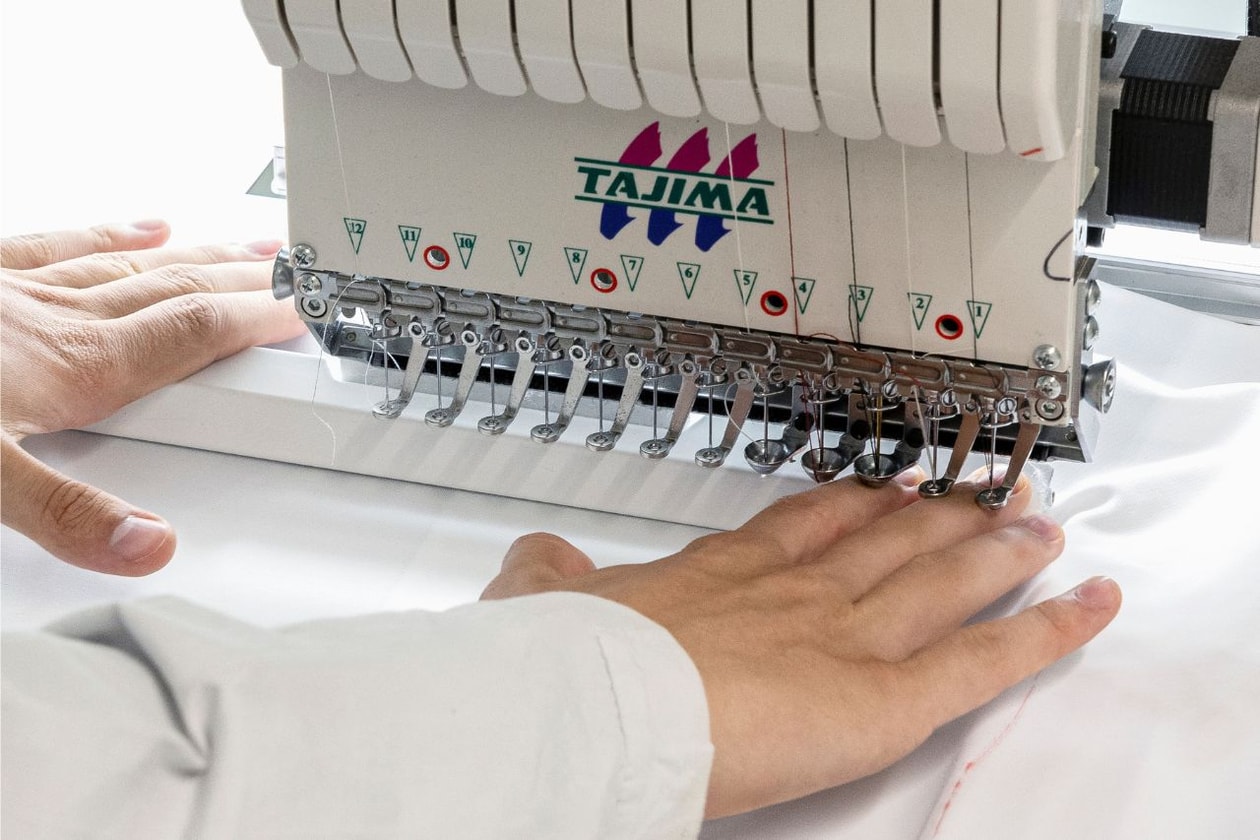
Twenty years in, the Matelassé holds up because nothing about it is a shortcut. Every crinkle in that leather is the result of a process built on precision, patience and a team of people who’ve spent decades (some of them, literal decades) perfecting a single technique.
Miu Miu’s Matelassé has never really been about the past. It’s a texture that keeps finding new relevance, worn by new muses, and twenty years on, it still feels instantly recognizable, which is rare in fashion. Few textures manage to feel both nostalgic and current at once, and that is exactly why it keeps turning up on the arms of the people that fashion can’t stop watching.