





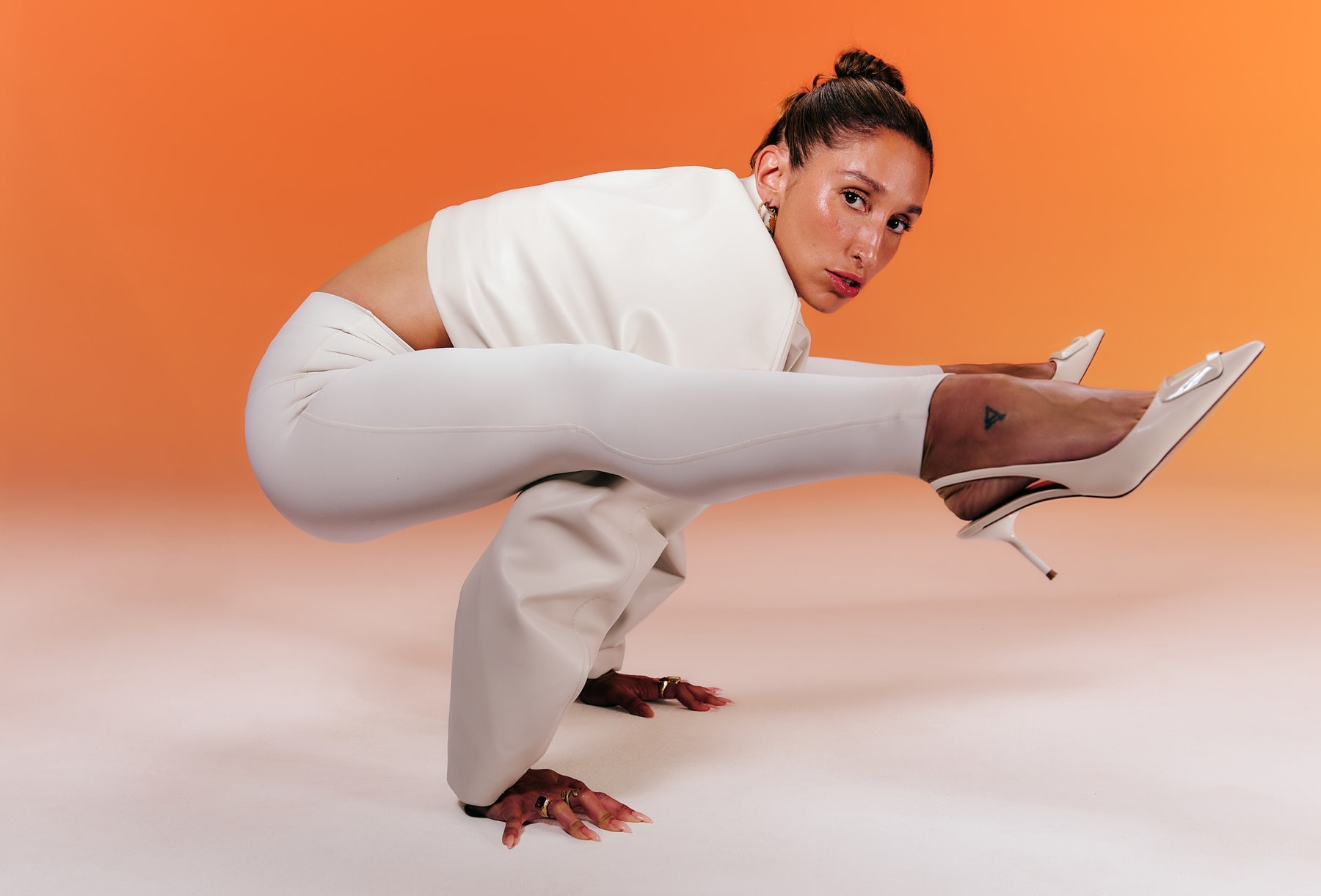
Frankfurt-based yoga teacher and Honeyflow Yoga founder Estefania Lopez is part of a new generation redefining what wellness looks and feels like. Far removed from the polished perfectionism that has long dominated yoga culture, Lopez’s approach is softer, more intuitive and rooted in radical self-trust. Through her signature practice, The Honey Method, she blends strength with emotional connection, creating movement experiences that feel less about performance and more about being in touch with yourself.
Sitting at the intersection of wellness, fashion and culture, we caught up with Lopez as she opened up about identity, self-expression and why the future of wellness is about giving people permission to be themselves. Read on for the full interview.
“What made yoga different was that it didn’t ask me to become someone else. It brought me back to myself.”
Tell us a bit about your origin story. What led you to movement? Was there a specific moment, a place, a song, a person where something clicked and you thought: this is how I want to move through the world?
Movement found me very early in life. I was a semi-professional swimmer, even though deep down I was never really meant to swim. As a young immigrant girl growing up between different cultures, I was constantly trying to adapt, trying to belong, trying to stay above water in every sense. Swimming became the first place where I understood discipline, repetition and movement. I loved parts of it, but it was never truly my element.
When I decided to leave the swimming world at 15, I suddenly felt this huge emptiness. Movement had always been such a big part of my identity that I didn’t know who I was without it. So I started trying everything: dancing again, boxing, different kinds of training, searching for something that actually felt like me. And then yoga found me. What made yoga different was that it didn’t ask me to become someone else. It brought me back to myself. Looking back now, I think movement was never really about performance for me. It was always about belonging to my body, my emotions, my story.
Your practice, Honeyflow, sits at the intersection of yoga, intuition and self-expression. How did you arrive at a method that feels so distinctly you? What does Honeyflow offer someone who has maybe felt like yoga wasn’t made for them?
Practicing Honeyflow doesn’t come with the pressure of having to immediately “connect with yourself.” It starts from the outside in, through movement and through a deeply physical practice. And somewhere along the way, without even forcing it, you realize there’s something deeper happening underneath.
That’s what I was missing for so many years in other disciplines. I spent so much time trying to become better, stronger, more disciplined, always trying to balance everything perfectly. Honeyflow was created as the opposite of that. Embracing the chaos. I wanted a practice that still feels strong and intentional, but also soft, emotional and freeing. Something that allows people to feel instead of perform.
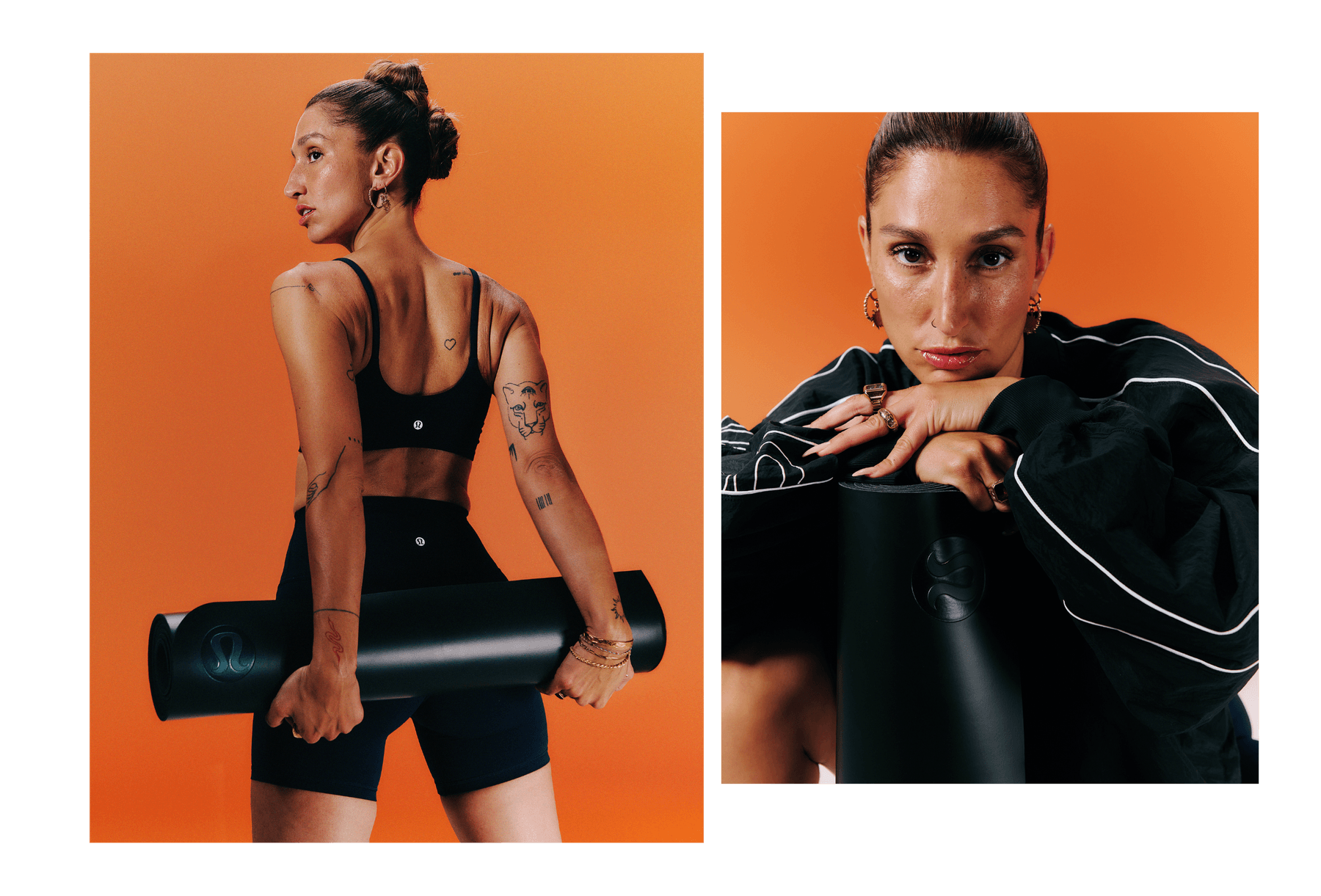
Honeyflow is also about realizing how far you can come without constantly chasing extreme poses or complicated asanas. We go back to the basics first, because you don’t build a house from the roof, you build it from the ground up. And I believe movement works the same way. That’s where my partnership with lululemon comes in, a support system creating pieces that move with you, hold you and give you the freedom to build strong foundations, one intentional step at a time.
“It’s not about perfection, it’s about coming back to yourself in a more natural way.”
So in Honeyflow, we begin with the physical body. Through repetition, precision and intentional movement, people slowly build trust with themselves and with their body again. Once that foundation exists, something deeper naturally starts to open. That’s when the emotional body enters the practice, the soul body. The part of yourself that many people have never really learned to listen to before.
I think a lot of people try to access healing or spirituality without first feeling safe inside their physical body, but the body is the doorway. That’s why Honeyflow is grounded in physical practice first. Through mastering movement, you slowly begin to enter yourself through yourself. And because of that, it’s truly for everybody. It’s not about perfection, it’s about coming back to yourself in a more natural way.
There’s a cultural moment happening right now where activewear has become a full aesthetic language. How do you feel about the growing intersection of fashion and sport?
I love it because movement is no longer something that exists separately from identity or culture. What we wear affects how we carry ourselves, how confident we feel and how present we are in our body. For me, activewear is less about performance and more about energy. Some days I want to feel powerful, other days soft, clean and effortless. Fashion and movement are both forms of expression, so it feels natural that they’re blending together more and more. I think the most interesting part is that wellness doesn’t look one specific way anymore, it’s becoming more personal.
“To me, redefining modern yoga means showing that wellness isn’t about perfection. It’s about authenticity, individuality and feeling at home in your body.”
Do you dress differently depending on how you feel, or does getting dressed actually change how you feel? Which comes first for you, the mood or the outfit?
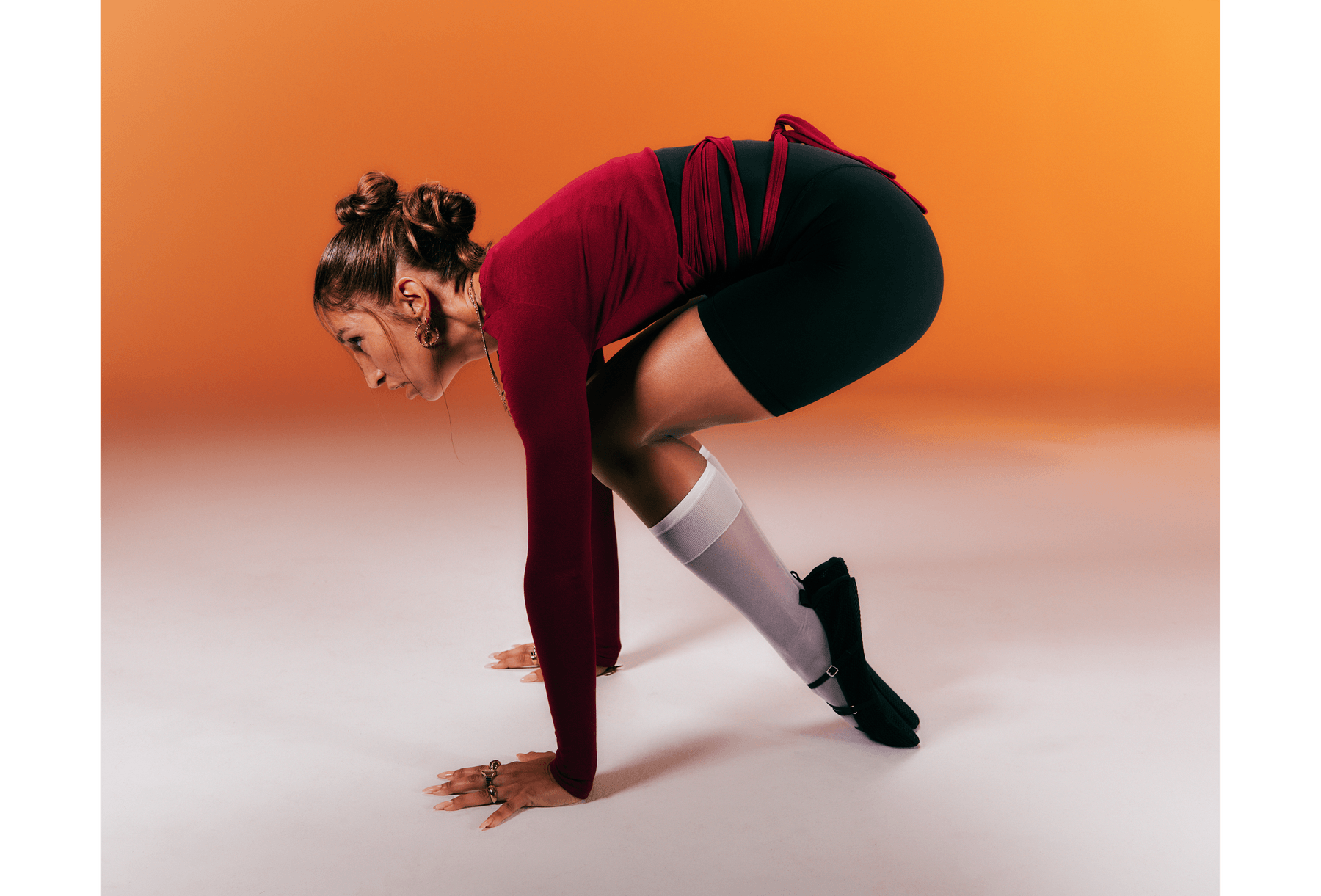
Definitely both. Sometimes my outfit reflects my mood, but other times it creates it. Getting dressed can completely shift my energy. I’m very intuitive with clothing. I choose pieces based on how I want to feel that day; grounded, feminine, effortless, powerful, soft. That’s why I love fabrics that almost move like a second skin. When something feels comfortable and elevated at the same time, you naturally carry yourself differently.
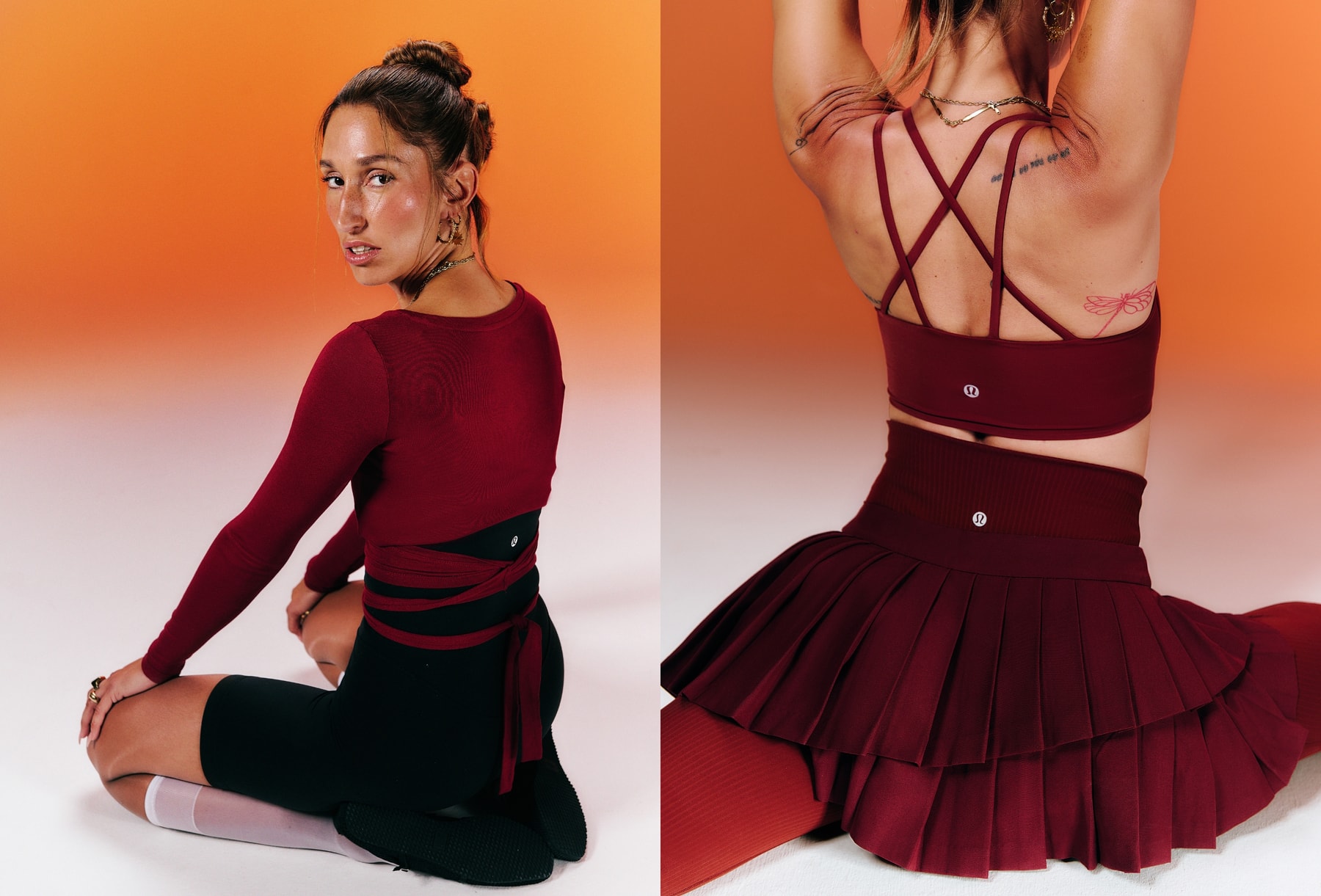
Specifically, I love the pieces in the new Yoga + Pilates collection lululemon just released. The new silhouettes allow you to play with proportions and experiment with layering. I love how movement and comfort can feel so effortless and embodied at the same time. It feels less restrictive and more connected to how women actually want to move through everyday life. For me, style is emotional. It’s another way of connecting to yourself before you even speak.
What’s a small, everyday ritual completely unrelated to yoga or fitness that you treat almost like a spiritual practice?
Music, always. I can tell you how I feel with just one song sometimes. I romanticize small moments a lot: making coffee slowly, getting ready while listening to a specific playlist, lighting a candle at night, walking without my phone. Those little rituals bring me back to myself. I think spirituality is less about big routines and more about presence in ordinary moments.
You embody something lululemon clearly believes in, the idea that style and high performance aren’t in opposition. In your own words, what does it mean to redefine what modern yoga looks like?
For a long time, there was a very narrow image of what yoga was supposed to look like. Very quiet, very polished, very one-dimensional; kind of “I have everything under control, and I’m full of peace”. But this is not how life is sometimes.
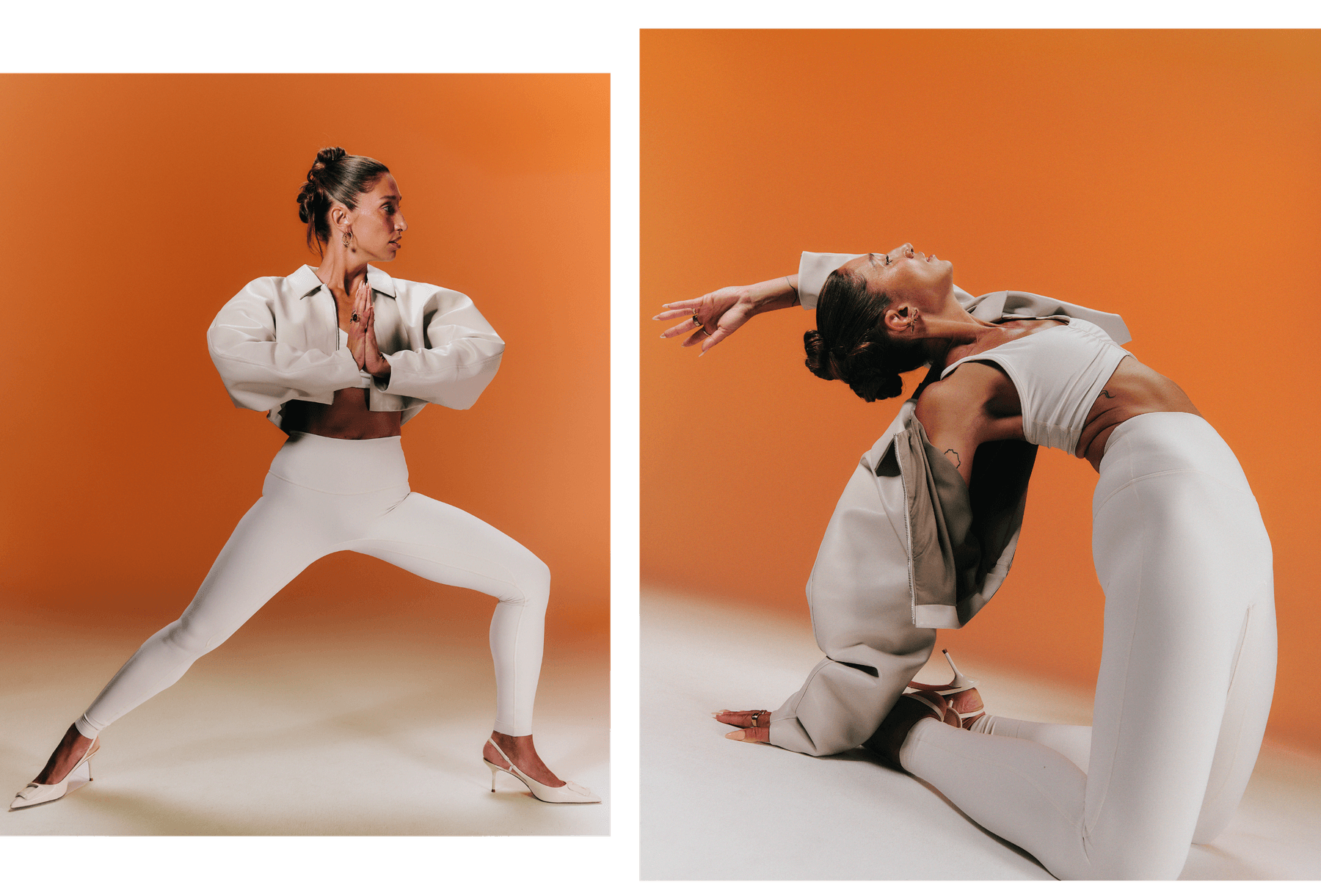
I think modern yoga is expressive. It moves between wellness, fashion, creativity and culture naturally. It’s about feeling strong, but also sensual, effortless and fully yourself. That’s why I love seeing performance wear evolve into something more effortless, with pieces you can wear well beyond the studio. The Align™ Foldover Relaxed Jogger from lululemon’s new collection, for example, feels less restrictive and more intuitive, almost as if it moves with you rather than against you.
To me, redefining modern yoga means showing that wellness isn’t about perfection. It’s about authenticity, individuality and feeling at home in your body.
From the Run Club to the retreat, there’s a clear thread of community running through everything you do. Do you think movement is most powerful when it’s shared and why do you think people are so hungry for that right now?
Absolutely. Movement becomes even more powerful when people feel seen while doing it together. I think people are craving real connection more than ever. We live so much online that spaces where you can breathe together, sweat together and feel together become incredibly meaningful.
What I love most is watching people arrive feeling nervous or disconnected and leave feeling open, confident and connected, not just to others, but to themselves.
“Not everyone feels like they’re allowed to enter these spaces, and that’s something I really want to change.”
You’re someone who sits at the crossroads of wellness, fashion and culture. Where do you see movement going as a cultural force? What do you hope the next generation of practitioners inherits from what people like you are building now?
I think movement is becoming less about aesthetics and more about emotional well-being, identity and self-expression. People are no longer only searching for workouts; they’re searching for connection, release, confidence and belonging. Where they can be perfectly imperfect.
But at the same time, I think wellness has also become something very curated and sometimes even exclusive. Not everyone feels like they’re allowed to enter these spaces, and that’s something I really want to change.
A big part of my mission with Honeyflow is creating access. I want people who maybe never felt represented in wellness spaces to realize that movement belongs to them, too. Self-expression, healing and emotional awareness shouldn’t feel like luxuries. In the end, movement is a tool. A tool to understand yourself better, to regulate your emotions and to reconnect with your body and your story. I hope the next generation inherits that understanding.
I also love seeing how movement and fashion are evolving together in a more embodied way. This new Yoga + Pilates collection from lululemon feels very aligned with where culture is moving right now; less restrictive, fluid, more natural and more connected to how people actually want to feel in their everyday lives.
I hope the future of wellness becomes softer, more inclusive and more human. A space where people don’t feel pressure to perform, but permission to fully be themselves in order to embrace their beautiful chaos á la Honey.
How do you want the people closest to you to describe the way you made them feel?
Safe. Inspired. Seen. I want people to feel softer around themselves after being with me and more confident in who they already are. Less pressured to perform. At the end of the day, I think how we make people feel is the real legacy.
You can now shop the lululemon Yoga + Pilates collection via the brand’s website.