





The Body Issue: Algorithm and Visibility
Hypebae’s The Body Issue examines how algorithms push fashion toward bodies built for the screen, and the designers that are already rewriting what a fashion body is allowed to look like.
Fashion’s avoidance of platforming inclusive bodies began long before our current culture of LLMs and on-screen trends. What’s changed now is how fashion is incentivized to lean into body standards set by algorithms. Because of this, the range of what fashion sees as desirable continues to shrink to fit whatever our scrolls can quickly process.
Simultaneously, generative AI imagery entered into fashion campaign imagery with whiplash-inducing speed. Fashion brands that produce generative AI imagery for campaigns are largely being scolded for propelling ideals of hyperperfection while excluding real bodies from the brief.
Every platform, just like every fashion trend cycle, is a sorting mechanism. In 2020, a few years after TikTok‘s global launch, the app was reported to be shadowbanning plus-sized bodies. The algorithm didn’t invent the hierarchy of which bodies get seen, of course; it just took an existing bias and turned it into infrastructure.
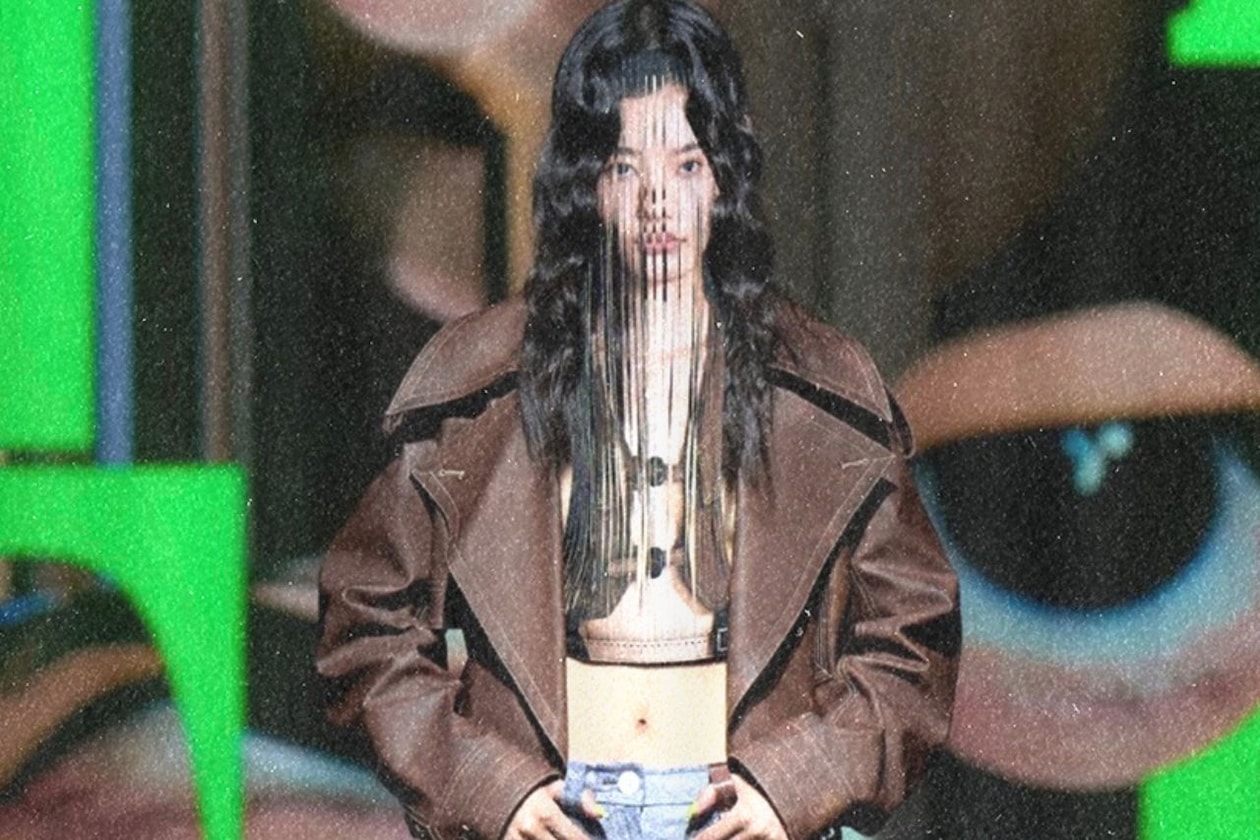
Amsterdam-based designer Esmay Wagemans explains that: “Algorithms create feedback loops around what is considered relevant or visible. Because of that, the body becomes increasingly shaped by what performs well on a screen.” In short, a body that’s legible within that visual system becomes commercially valuable. The unspoken, or perhaps even unconscious, strategy here is that if the body presented in a campaign can be digested quickly, there’s a stronger likelihood of it leading to sales.
Not only does this impact who a look gets styled on, but it also impacts how a person dresses, what gets bought and how long a trend survives. And, even more crucially, it impacts our relationships with our own bodies.
Wagemans has watched this impact play out in her studio. Her practice involves taking 3D scans of her models in order to create bespoke moulds designed on their bodies. She shares that she’s increasingly witnessed her models feeling a sense of discomfort in seeing themselves in 3D scans, because two-dimensional silhouettes that are performed for the algorithm have become the default way we recognize ourselves. Recognizing, celebrating and styling ourselves in full form is when we end the performance.
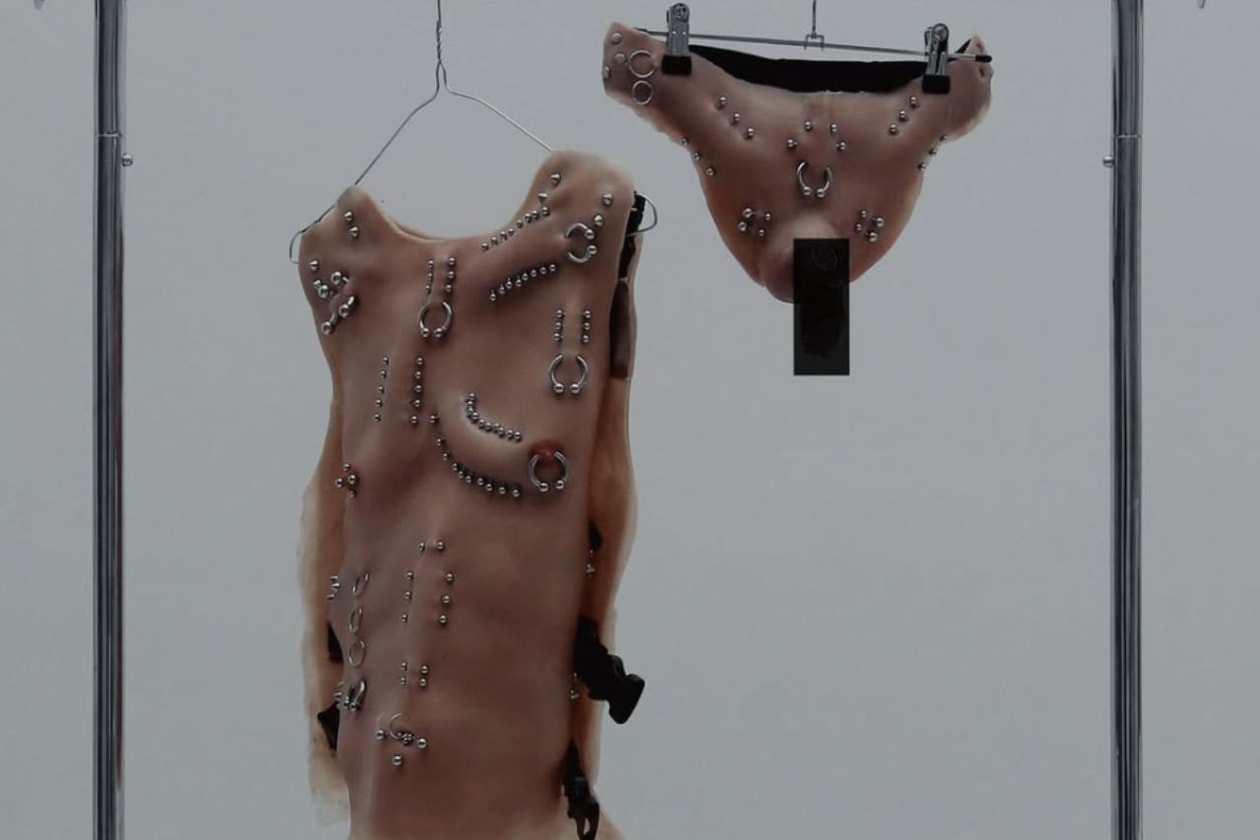
Wagemans’ practice is an antidote to two-dimensional imagery, because it designs on the exact shape of a person. This is a design approach and a fashion mindset we can learn from; platforming collections and concepts that center dimensionality.
Meanwhile, with generative AI imagery, there is real fear that the body is becoming optional in an industry that exists to dress it. 78% of respondents in our survey expect AI-generated imagery to entrench current body standards rather than expand them; (47% think it will optimize bodies purely for algorithmic performance and 31% think it will simply amplify the existing ideal further). Tellingly, only 5% believe AI imagery will widen the range of bodies fashion shows us.
Levi‘s 2023 partnership with Lalaland.ai is an example of this response. The denim brand launched a campaign with AI-generated models for its e-commerce site with the intention of increasing model diversity. The campaign backfired as consumers received it as the brand performing inclusivity rather than actually practicing it. This sentiment is mirrored by industry reports from the likes of eMarketer which share that consumers who see generative AI as a “negative disruptor” have nearly doubled since 2023.
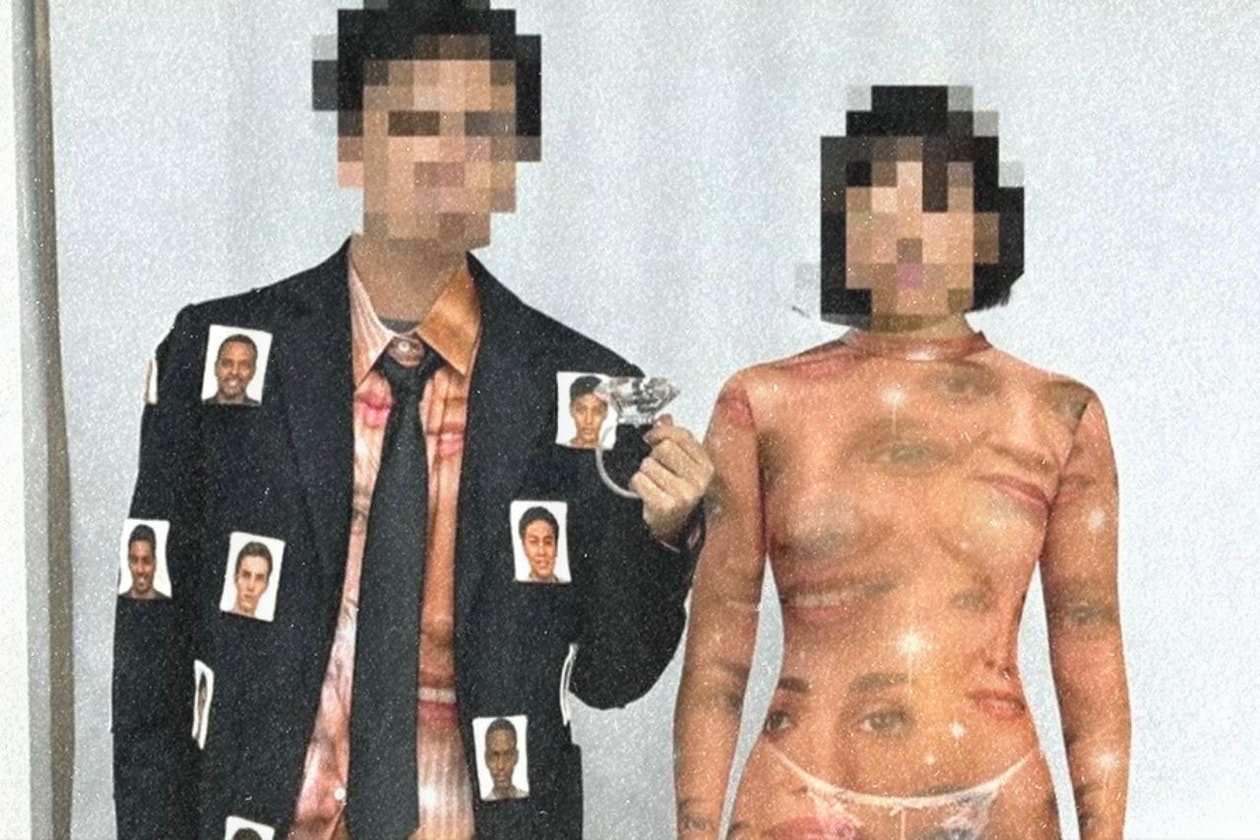
Fortunately, some designers are taking a different approach to experimentation with the body altogether. We first covered the rise of skin interfaces in 2024, an aesthetic movement that includes digital designers like Éamonn Freel, whose campaign imagery renders the body as fashion outright. His work captures fashion bodies as warped and unperfected, which feels much more authentic to the experience of living in a body today.
What followed was the rise of skin interfaces in physical collections.
TTSWTRS, Rohan Mirza and Leawald are all working with flesh as material, or with trompe l’oeil techniques built to trick the eye into seeing material as skin. The rise of prosthetics in campaign imagery continues this visual approach. Nike, Converse and Collina Strada have each recently used prosthetics on models across runways and campaigns, treating the body as a material to design and experiment with.
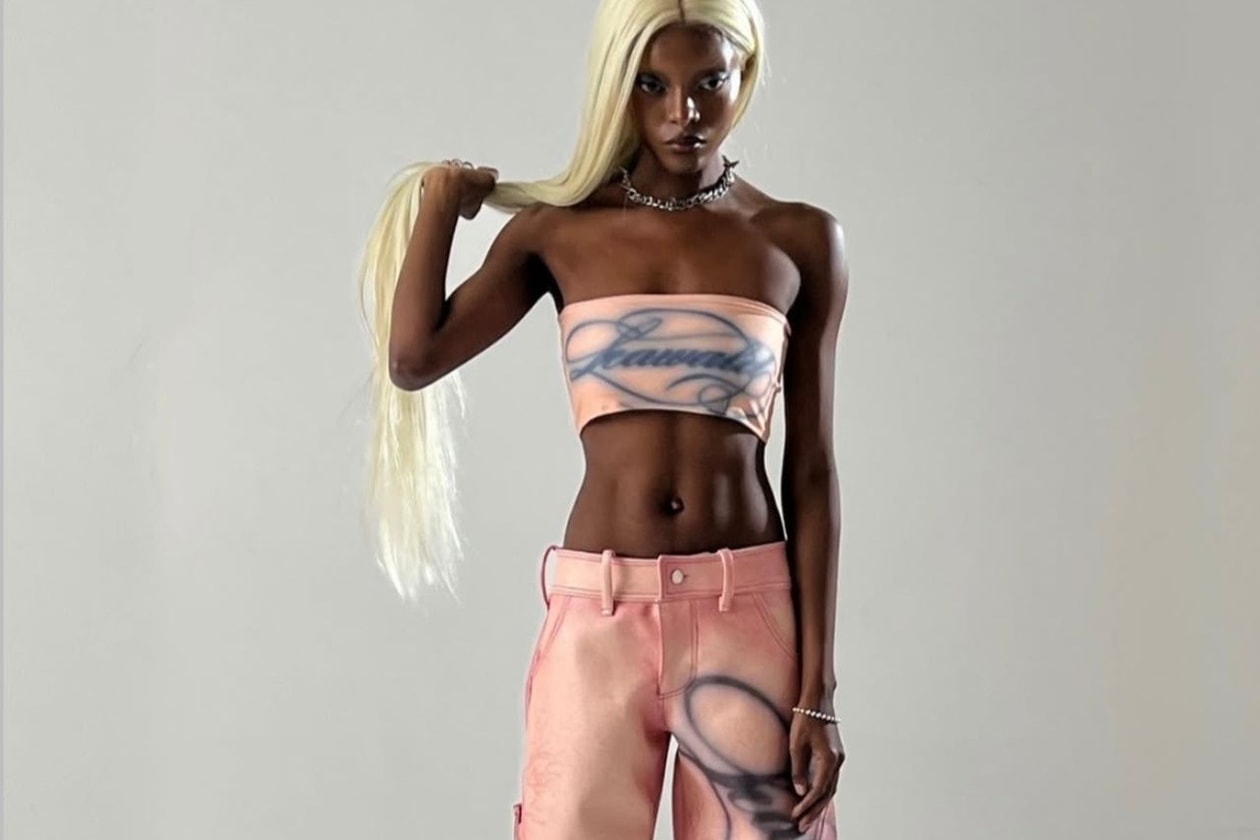
What skininterfaces get right is that a body doesn’t need to be hidden or perfected to hold attention. Some of our survey respondents imagined AI producing “fantasy bodies that don’t pretend to be real,” which we hope to be the outcome of more fashion campaign imagery and products in the future.
A fantasy, glitched body carries no promise of perfection and no attempt at deception. Since algorithmic ranking and generative imagery aren’t disappearing, the more useful consideration becomes what we build inside those systems rather than despite them. That’s the fashion body worth designing toward next.