





If You're Into Fashion in 2026, Do You Need an OnlyFans Account?
Fashion is finding creative freedom in the last place you’d expect…
Fashion has always loved a little controversy. Sheer dresses, exposed bodies, provocative campaigns, pushing buttons have long been part of the industry’s DNA, and everyone knows sex sells. But try posting some of fashion’s most head-turning imagery on TikTok today and there’s a good chance it would be flagged or buried, never making it to your feed. For an industry built on being seen, fashion is having to think very carefully about what gets shown.
Whether it’s TikTok’s notoriously vague moderation policies, Instagram’s complicated relationship with nipples or creators constantly speculating about shadowbans, social media feels more censored than ever. And while brands have become experts at gaming the algorithm, it’s worth asking: have they also started designing for it? Welcome to the age of algorithmic modesty.
It sounds dystopian, but the idea is simple. Fashion isn’t necessarily becoming more conservative because designers want it to. Instead, aesthetics are increasingly being filtered through machine-readable ideas of what’s “appropriate,” advertiser-friendly and safe for mass audiences (according to a select few billionaires). Think of it as fashion’s visibility tax.
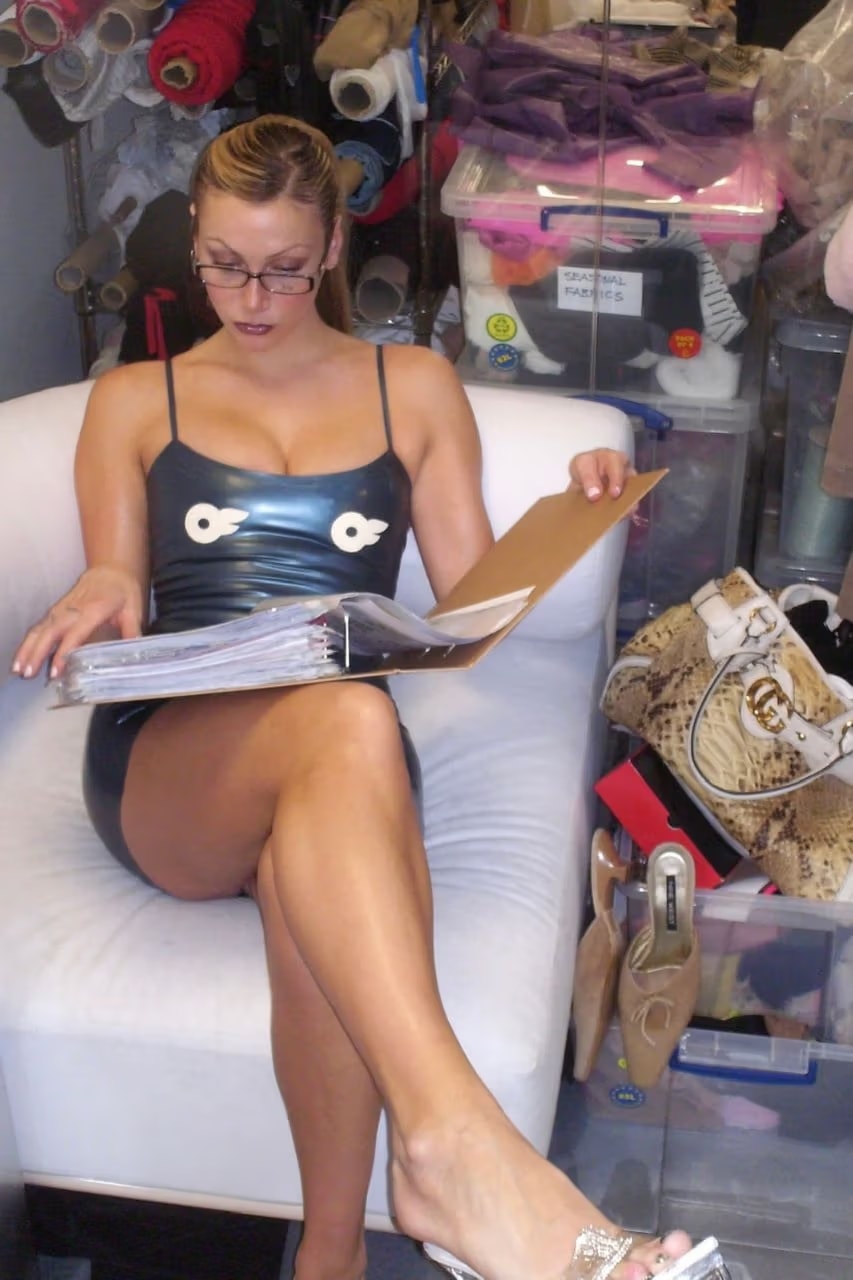
Designers have always adapted to limitations, working around budgets, fabric shortages, production delays and sustainability concerns. But social media moderation has become a surprising new production constraint in its own right. It’s not just changing how collections are marketed, but potentially how they’re designed in the first place.
Designers aren’t only dressing bodies anymore; they’re dressing algorithms, which might explain why some brands have started looking elsewhere. And no, not another Instagram alternative destined to disappear within six months; we’re talking about OnlyFans.
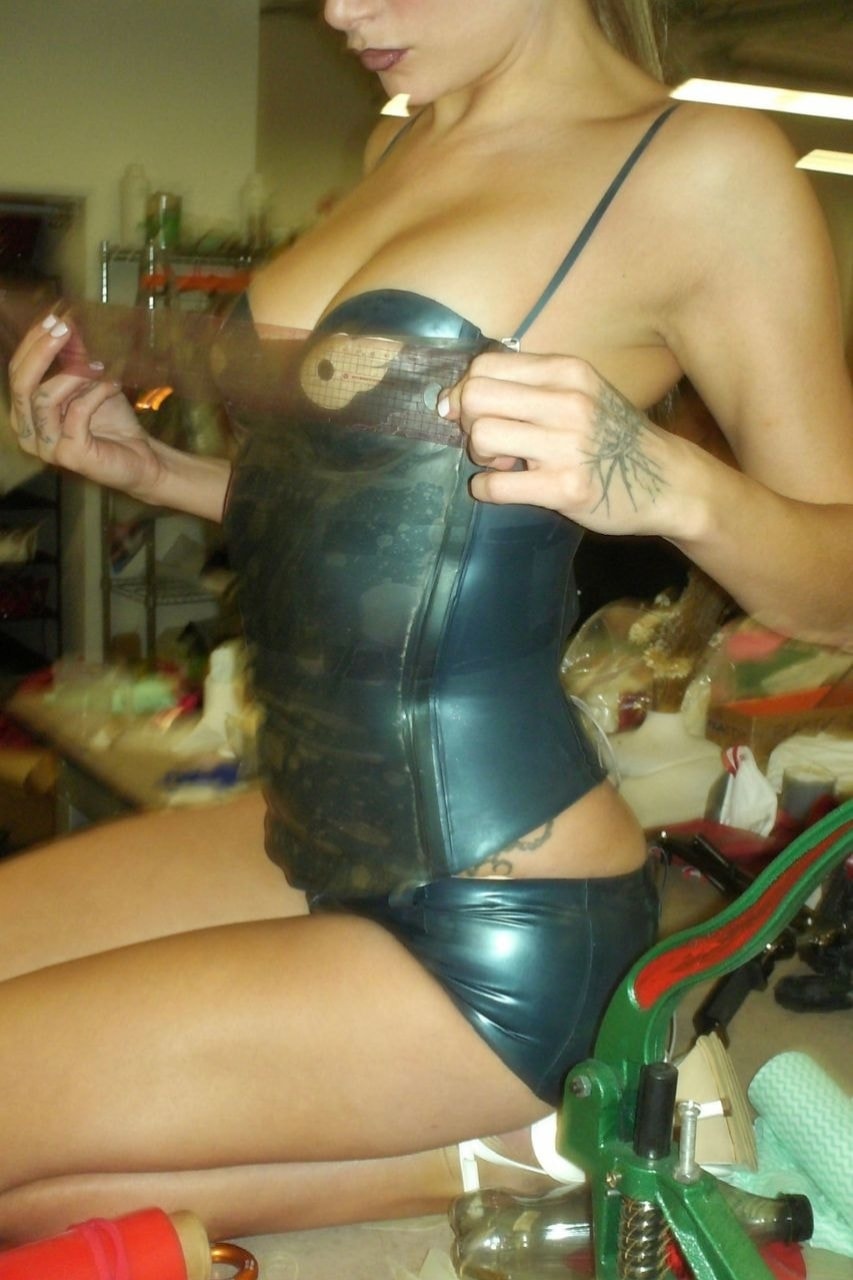
Despite its enduring association with adult entertainment and still carrying plenty of cultural baggage, OnlyFans has quietly become one of fashion’s most unexpected creative playgrounds. Rick Owens has an account entirely dedicated to his feet pics, while Poster Girl collaborated with the platform to deliver content surrounding its creative process. Speaking about that decision, the Poster Girl founders told us, “OnlyFans cuts out the middleman and lets creators decide how they want to present themselves, what content they share and how they monetise it.”
Other brands on the platform include Collina Strada, LGN Louis Gabriel Nouchi, Elena Velez, jewelry designer Johnny Hoxton and, most recently, PLEASURES (which just launched a collaboration with OnlyFans at Paris Fashion Week). The brands are all using the platform as part of their creative ecosystems, sharing everything from behind-the-scenes design diaries and studio access to runway films and exclusive content. If you’re really into fashion in 2026, you might need to make yourself an OnlyFans account.
But this isn’t about fashion becoming more sexual. Sex sells, sure, and the industry has known that forever. But what’s happening here feels more interesting than simple provocation. Designers are moving away from platforms that dictate taste through hidden moderation systems and towards spaces where they can control context, storytelling and their intimate audience relationships.
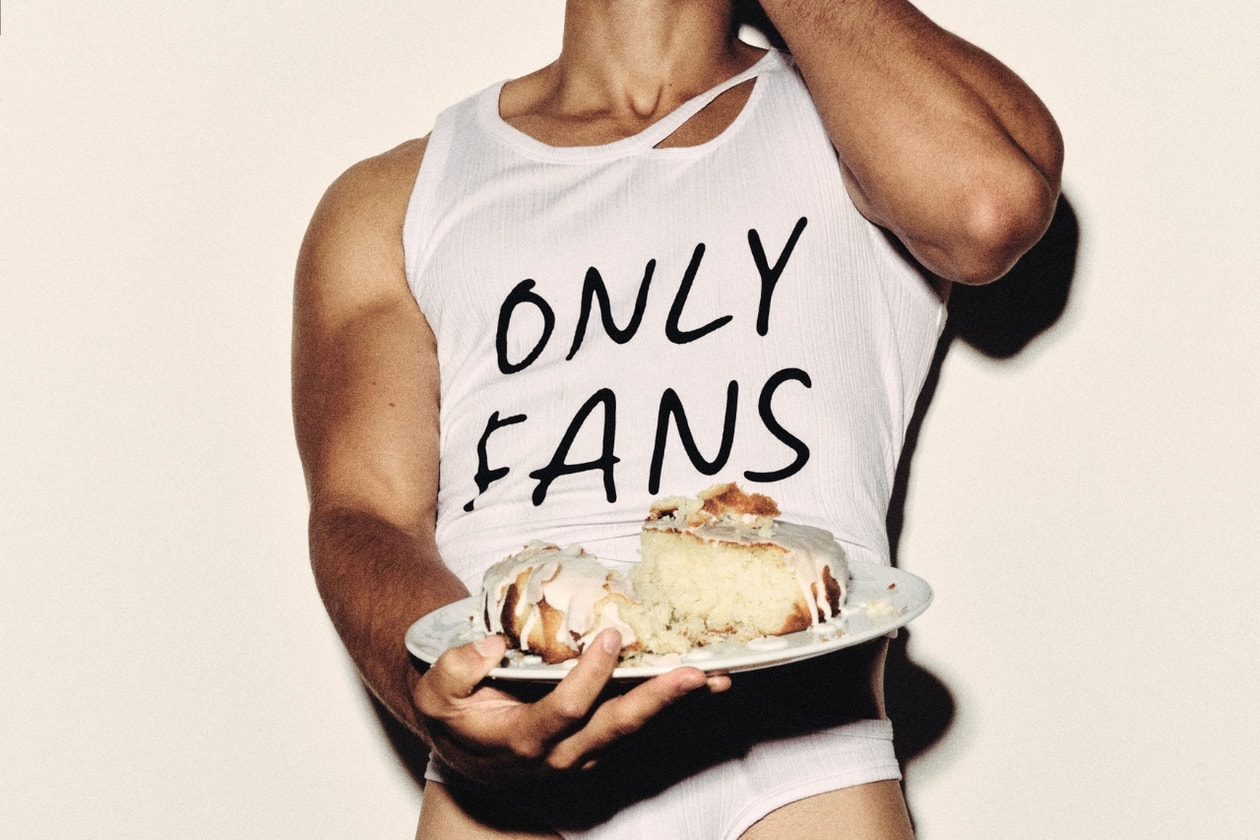
LGN x OnlyFans shot by Tré Koch
Louis-Gabriel Nouchi, for example, launched an OnlyFans channel earlier this year featuring exclusive films, BTS documentation, ASMR experiments and collaborations with artists. The designer also featured on an episode of Fashion Files on OFTV (OnlyFans’ free streaming platform), bringing viewers directly into the making of his collections. “For me, it wasn’t about provocation. It was about honesty,” Nouchi shared with Hypebae on his decision to use the platform. “Fashion often talks about the body, intimacy and desire, yet most social platforms force creators to constantly negotiate with algorithms and moderation policies.”
When asked about the future of OnlyFans and fashion, Nouchi shared, “I think we’re only at the beginning.” The designer then went on to say, “Luxury brands are increasingly looking for spaces where they can build direct relationships with communities instead of simply chasing reach. Fashion is becoming less about broadcasting and more about creating access, storytelling and exclusivity.” OnlyFans is clearly forging its own space within the industry. According to Nouchi, “I don’t see OnlyFans replacing Instagram, X or any other platform. I see it becoming a complementary space where brands can develop a more curated, immersive and editorial relationship with their audience. For me, it’s less about escaping censorship and more about expanding the creative possibilities.” This isn’t necessarily the pornification of fashion. If anything, it is a de-platforming from algorithmic taste-making.
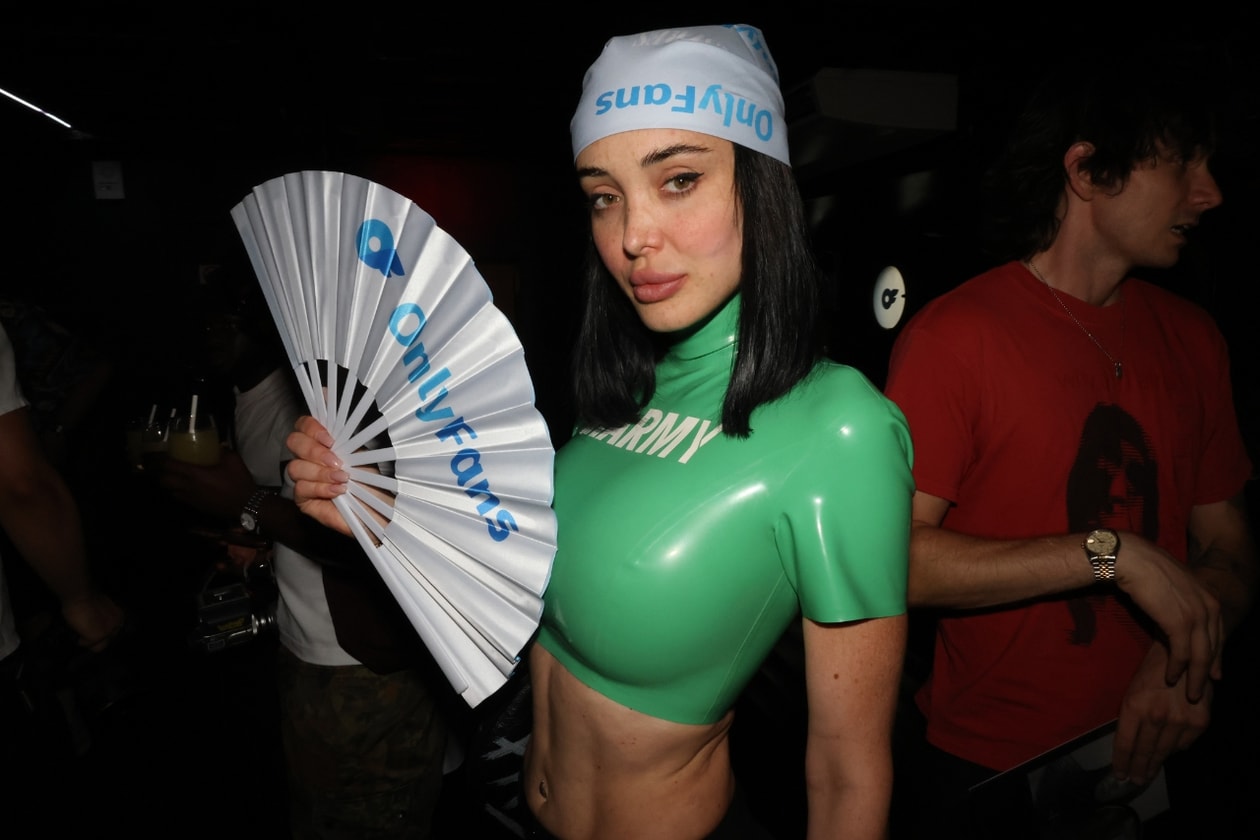
With OnlyFans, an audience arrives intentionally rather than stumbling across content mid-scroll. Subscribers opt in, creators control pacing, presentation and access. This is part of a much bigger shift happening online. Fashion media is becoming increasingly fragmented, shifting away from the open web and towards gated ecosystems and self-selecting communities. Writers are launching Substacks, brands are building Discord channels and designers are experimenting with Patreon-style memberships. OFTV feels less like a social app and more like a streaming service where fashion can exist on its own terms. Virality used to be the goal; now, access might matter more.
Designers are no longer simply chasing attention; they’re looking for environments where creative intent can exist without being flattened by engagement metrics or reduced to advertiser-friendly content. The future of fashion online may not be one giant feed shared by everyone. Instead, it may consist of smaller, self-selecting worlds where designers speak directly to audiences willing to follow them there. And if that’s the case, perhaps the question isn’t why fashion is joining OnlyFans; it’s whether the mainstream internet has become too sanitized for creativity in the first place.