





Joshua Samuels Is Dressing London's Coolest Crowd
“I don’t really think about gender when designing. I make clothes for humans.”
Heading to Hackney in East London, behind railway arches revamped into wine bars lies Joshua Samuels‘ new studio. The British designer made a name for himself over the last few years, growing from under 10k Instagram followers in 2023 to over 70k today, largely thanks to the cult-favorite FO Baggy jeans, now worn on stage by some of the country’s biggest musicians including Little Simz, Beabadoobee and Sekou.
Samuels greets me outside dressed head to toe in his own designs and rolls a cigarette before we head into the room where it all happens. Piles of denim are stacked floor to ceiling, surrounding a few work tables with sewing machines, fabric scraps and loose baccy. I get a brief tour before we set up on the leather sofas (also with rogue swatches and rolling papers) to get into the story behind one of London’s fastest-growing streetwear labels.
Samuels’ energy is eager and humble, and it’s obvious the designer is truly obsessed with what he does. From starting to sew out of boredom in lockdown and dressing his friends, to dressing global superstars, Joshua Samuels is a reworked clothing connoisseur. The team takes everything from discarded denim and jerseys to World War II sleeping bags to create the oversized silhouettes inspired by skate culture and the London streetwear scene. At the core, they’re “always trying to be as whimsical and silly with the design process as possible,” shared Samuels. You’ll find flowers, skull and crossbones motifs and cheeky printed slogans, with this sense of play a mainstay throughout.
When asked who he designs for, Samuels simply says, “I don’t really think about gender when designing. I make clothes for humans.” It’s this laid-back attitude and authenticity that’s helped the brand grow so organically. We caught up with the designer to talk about everything from weirdest vintage finds to dream celebs to dress and his latest upcoming collection. Read on for the full interview.
Can you introduce us to the brand and how you started?
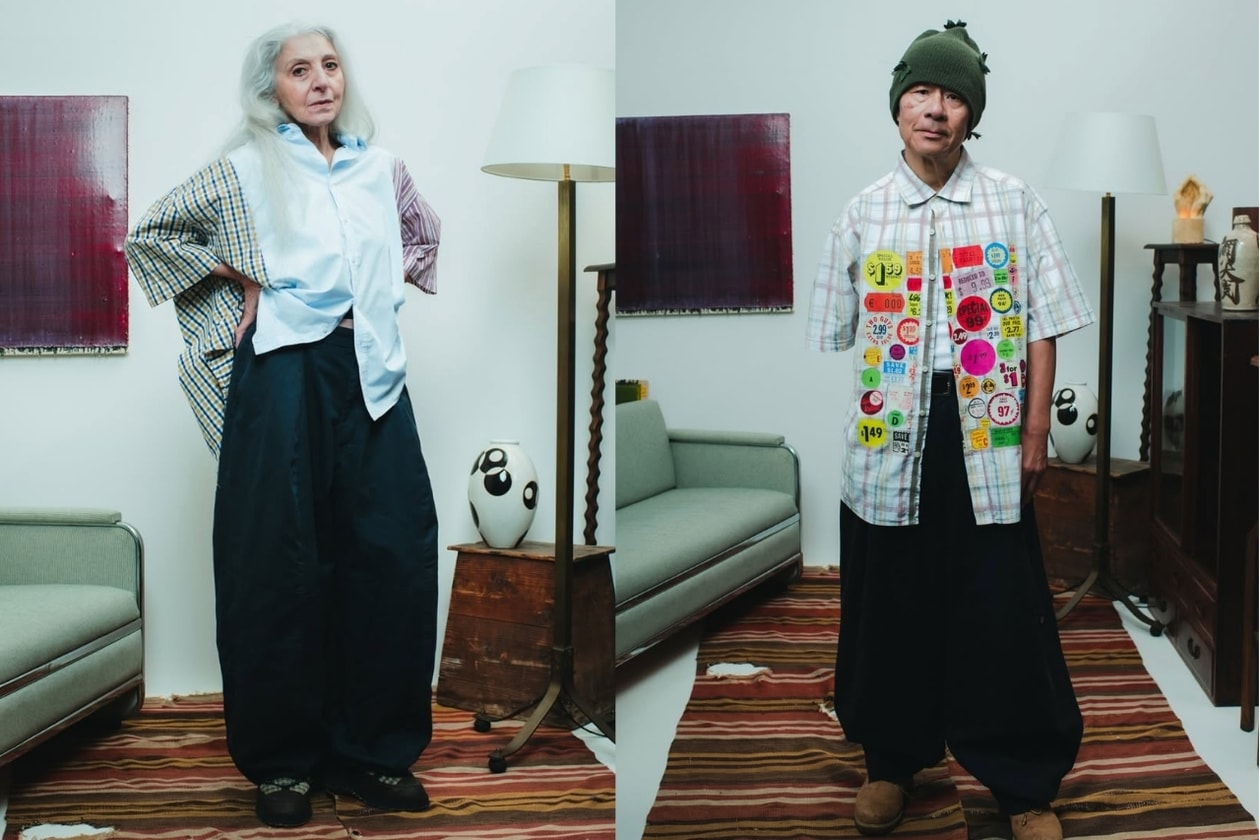
I started the brand as a bit of a mistake. I was making stuff over lockdown because I was bored and put it on my Instagram, then the homies were like, “Oh, man, I want that.” That wasn’t the plan, but I made more stuff, and it sold out quickly. Then soon it was friends of friends, and then friends of friends of friends, so it came to be quite organically. The center of the brand has always been the same, though. It started accidentally, everything being upcycled and bespoke, made to measure, always trying to be as whimsical and silly as possible.
You’re known to be quite a whimsical designer; can you tell us the story behind the flower motif?
The flower motif comes from the most childlike, stupid, nail-on-the-head metaphor for upcycling as you can get. The idea that a flower will bloom, pollinate, die and then that pollen will go and become other flowers – it’s that cycle of death and rebirth. With the appliquéd flowers, there’s something really fascinating about all these old knits that have passed through so many different hands to get designed and made, whether that’s the yarn being spun or grown, or a specific color being chosen, a specific knit texture, eventually going into production, going into a shop, someone seeing it and thinking, “Oh man, something about that jumper speaks to me.”
Then all these people wear these different pieces in different places, whether it’s the pub or work, and then they, for whatever reason, aren’t wanted anymore. We intercept them on the way to landfill, cut them up into silly little flowers, and sew them onto other old clothes. So you might have a flower in North London sewn onto your jumper, and then someone might have a flower from the same knit sewn into their jumper in New Jersey.
Can you walk us through your design process?
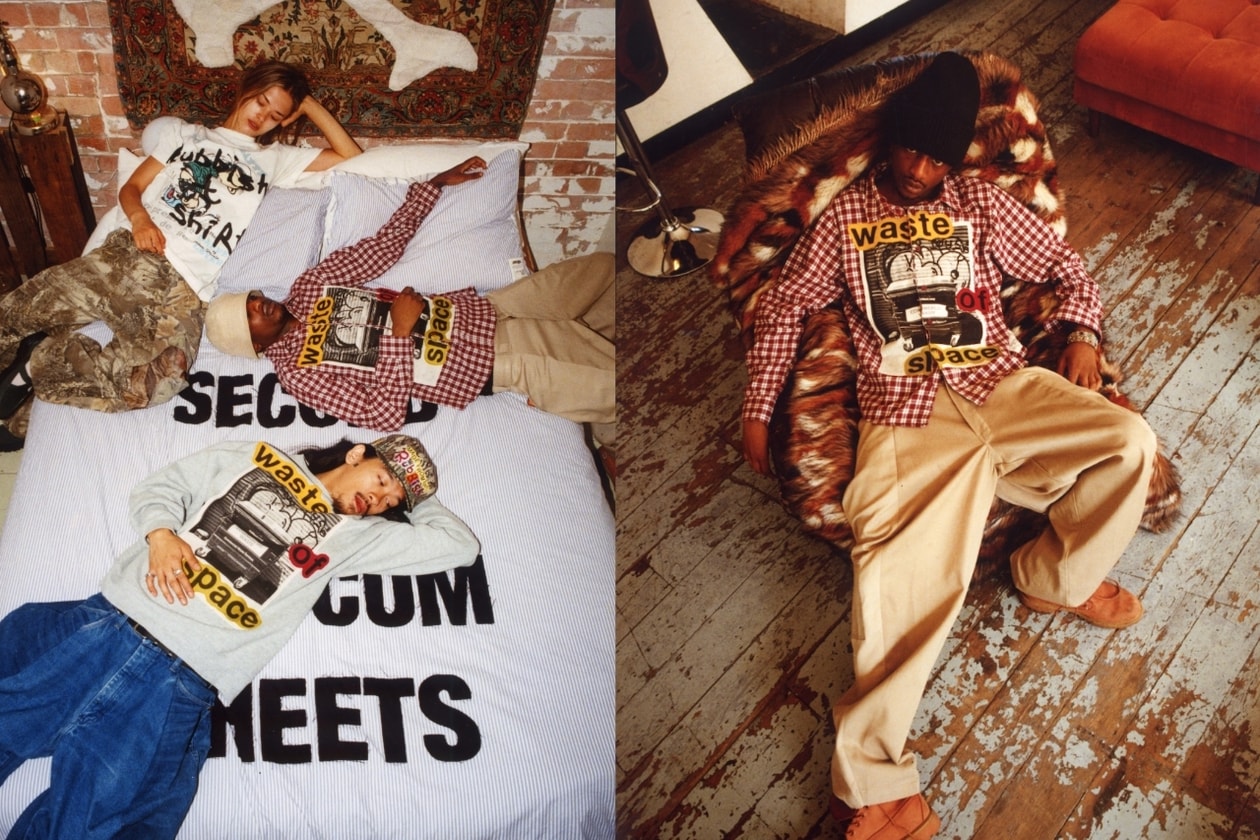
It’s super playful. There’s obviously research that goes into it for the general concept, but I try to almost empty my mind outside of that, and then play with what I have in front of me. Whatever I’ve managed to find over the months beforehand, vintage-wise, I play with those ideas for the collection. I don’t like drawing, sketching, collaging or mood boarding; I prefer to physically play with what’s in front of me, make and then iterate, make and then give up, and then cry [laughs] and then make and iterate again. It has to feel natural.
A big part of my design process is actually wearing the pieces. I design for myself so much; I’ll take samples home when I think they’re ready, and if I’m drawn to wearing them over the next month, it’s ready; if I’m not, then it’s not ready. How can I sell something I don’t want to wear, you know?
What do you think people misunderstand about reworked clothing?
Maybe people assume reworked clothing has some sort of inherent lower value, but I do think that’s changing. People are starting to understand that, if anything, it’s almost a bit more beautiful. I love the signs of something that has already been loved, like a good patina on a T-shirt is always so much more beautiful to me than going and getting a new one. That’s so much more exciting to me because it already has a story that you can continue to write rather than making something new. We don’t need new stuff.
I love how inclusive your brand is. How do you approach gender when you’re designing?
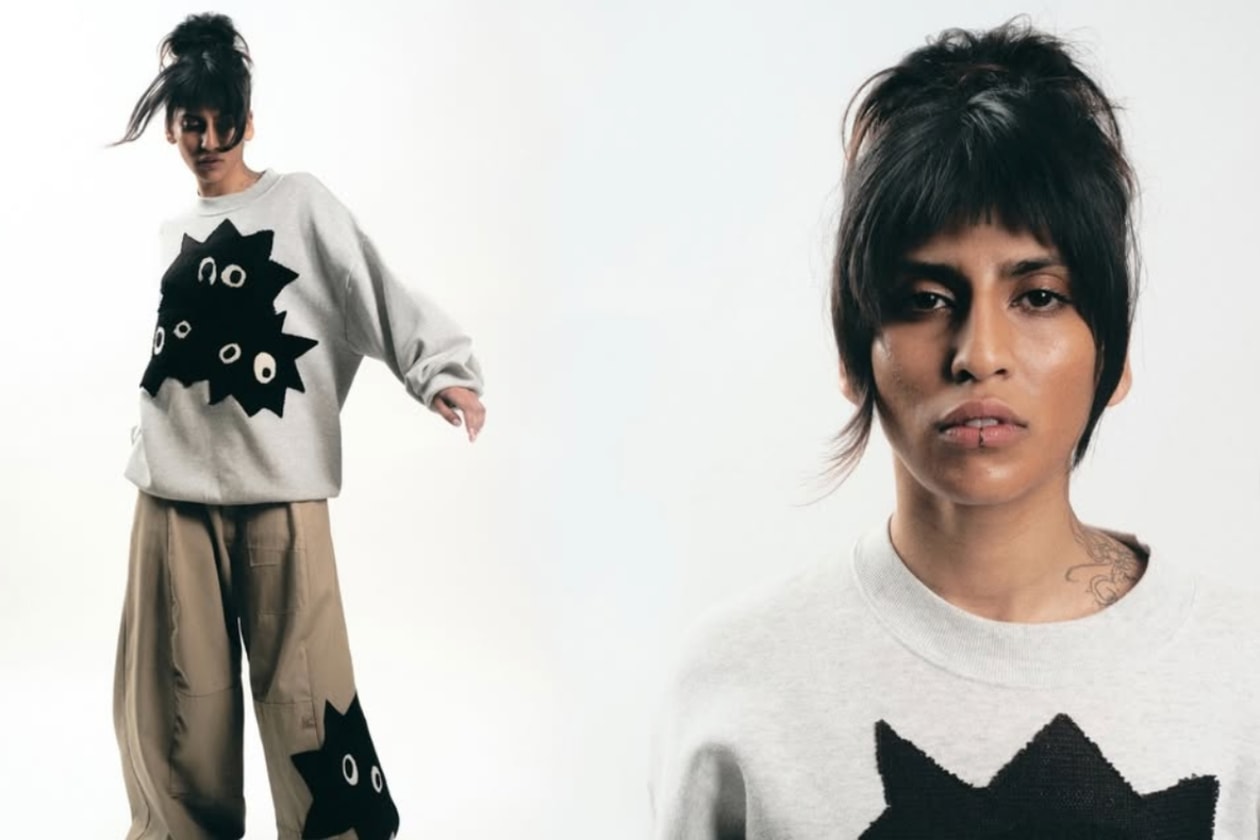
I don’t really think about gender when designing. I make clothes for humans, you know? We’re quite lucky that a lot of our silhouettes are bigger and that we make things bespoke to measurements, so no matter your body type, we’ve got you covered. I design for myself; I’m not the most flamboyant dresser, but I’m also not the most masculine either. So, it’s not really a part of my thought process.
You work with a lot of vintage and discarded materials. What’s the most unexpected thing you’ve ever turned into a piece?
Two things spring to mind. There are these really beautiful sleeping bag covers designed for World War II, made from this beautiful green cotton with a really specific weave because it needed to be water-resistant, but also breathable enough that they didn’t get too hot. The fabric is almost 100 years old now, and we make stuff with it; it’s just beautiful.
Another one, we actually launched this week. We found a farm in Wales with loads of horse jackets, and we’ve just ordered a bunch of those. They stopped using them after a couple of years, but there are these amazing sun-faded parts, with different patches where it’s been under the horse and they fade in a really beautiful way. Those are probably the two most unexpected pieces.
Can you tell us a bit about your upcoming collection?
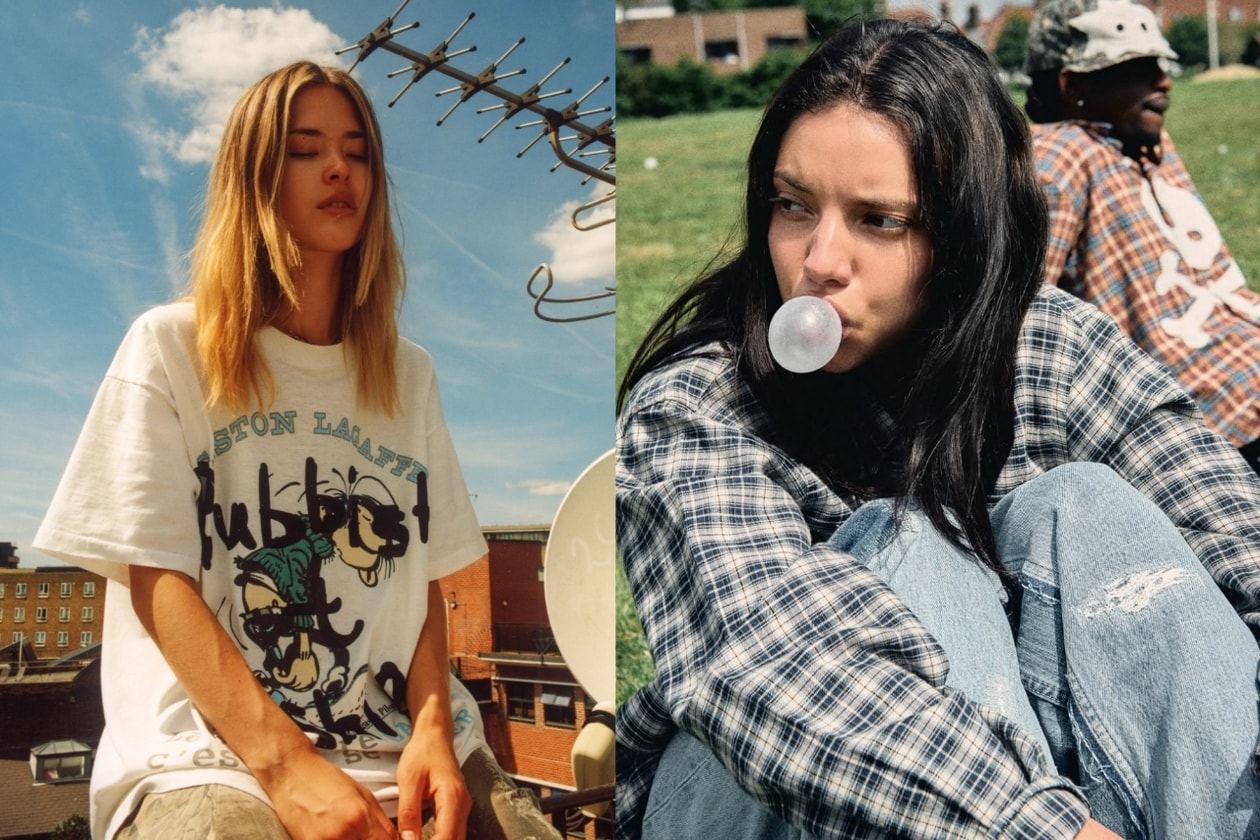
The upcoming collection is all based around the idea of our clothes being rubbish. Rubbish in the sense of discarded old things, and then rubbish in the sense that it’s f-cking awful. A lot of the process involves screen printing onto vintage knits or other vintage clothes, and then putting them onto other vintage clothes. We’ve had this recurring theme that the clothes themselves are conscious and actively don’t want to be rescued, and this collection plays on that self-deprecation. It’s a super small capsule collection: some crewnecks, flannel shirts, T-shirts and a nice new hat.
Little Simz and Beabadoobee (among others) have been spotted in your pieces. What does it mean seeing people you admire make the clothes their own?
Oh man, it’s so cool. I was talking about this the other day, but I think it’s even cooler just seeing f-cking ‘Joe Bloggs’ wearing something. Walking past the bus stop and there being someone that I don’t know wearing my designs is enough; I think that’s sick. But of course, seeing people that I admire in creative scenes feels special. There have been people I grew up listening to or really loving their work, and it does feel like we’re doing something right when someone whose taste I specifically love likes our taste too.
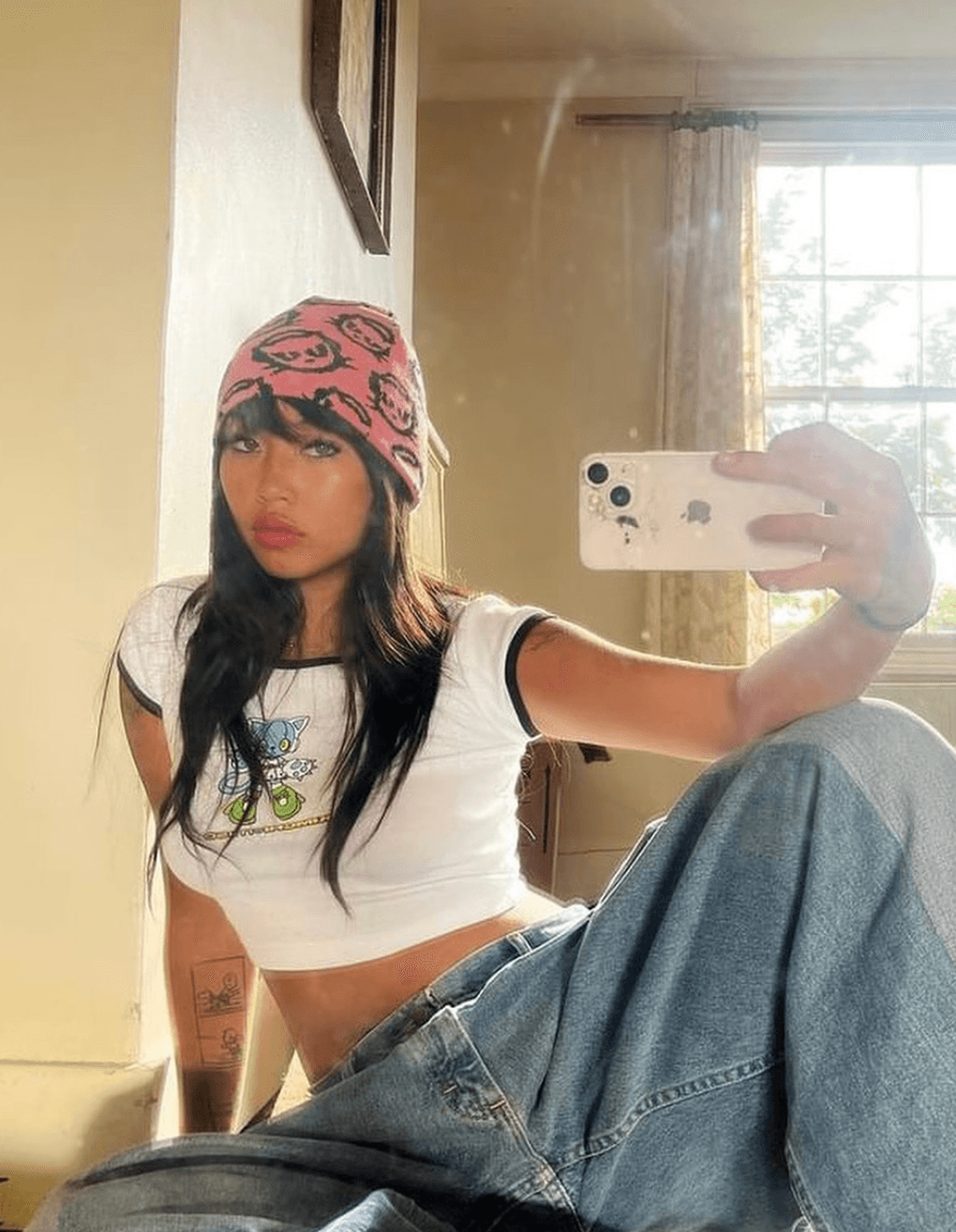
Who is a celeb you would love to dress?
André 3000 is my dream client, for sure.
What’s next for the brand?
I get asked this a lot; I don’t know what’s next. I’ve never been much of a planner. Whatever inspires me right now is what I’ll design around. I definitely want to expand further into a lifestyle brand. I love the idea that no matter what your lifestyle is, you can do it in reworked pieces. If you’re super sporty, I’d love to be able to make your activewear wardrobe. If you dress more smart, I’d love to be able to make your formal wear. I’d also love to start doing footwear; we’re already working on some stuff, but I’d love to be able to do that. I want to be able to make anything in your life from old things. I don’t know exactly what’s next, but just stick to the mission.