





The Problem With The 'Cleavage Is Back' Discourse
From ‘fashion boobs’ to push-up bras, where do we currently stand on women’s bodies?
After almost a decade of declaring cleavage ‘out’ and the rise of bralettes and no bras, several online critics have recently proclaimed the push-up bra (and cleavage) back in fashion. Chests pushed up to chins and ultra-padded bras are taking over both runways and red carpets… but what does this mean for those whose chests were never a fashion choice?
Over recent years, internet discourse has entirely centered around smaller chests (dubbed ‘fashion boobs’) and the idea that a minimal bust is the new It-girl accessory, worn under sheer tops and cutouts as a badge of nonchalance, sexy but still chic. Meanwhile, structured, underwired support (and cleavage) has never actually left the wardrobes of bigger-chested women; it’s not a trend they opted into, it’s what functional support and their bodies have always demanded. A bra making headlines as “back” mostly means it’s back on smaller frames, styled as a fashion statement rather than worn out of necessity. Does this mean progress for bigger boobs if we start seeing more cleavage in high fashion? It’s hard to tell with the industry’s complicated relationship with curvy bodies.
This Spring/Summer 2027 fashion week season was full of bras styled as tops and strategic peekaboo moments engineered by necklines cut deliberately low. At 7 For All Mankind, scoop neck tees were cut so low they hit below the bust, while LaQuan Smith featured open shirts revealing structured balconette bras in hard-to-ignore hues. Christian Cowan, Mowalola, Prada and Fendi all put the chest front and center, while R&M Leathers built an entire show around handmade bras and Tom Ford leaned fully into fashion’s renewed appetite for sex. But it’s fair to ask: if that chest were a few sizes larger, would it be the same story?
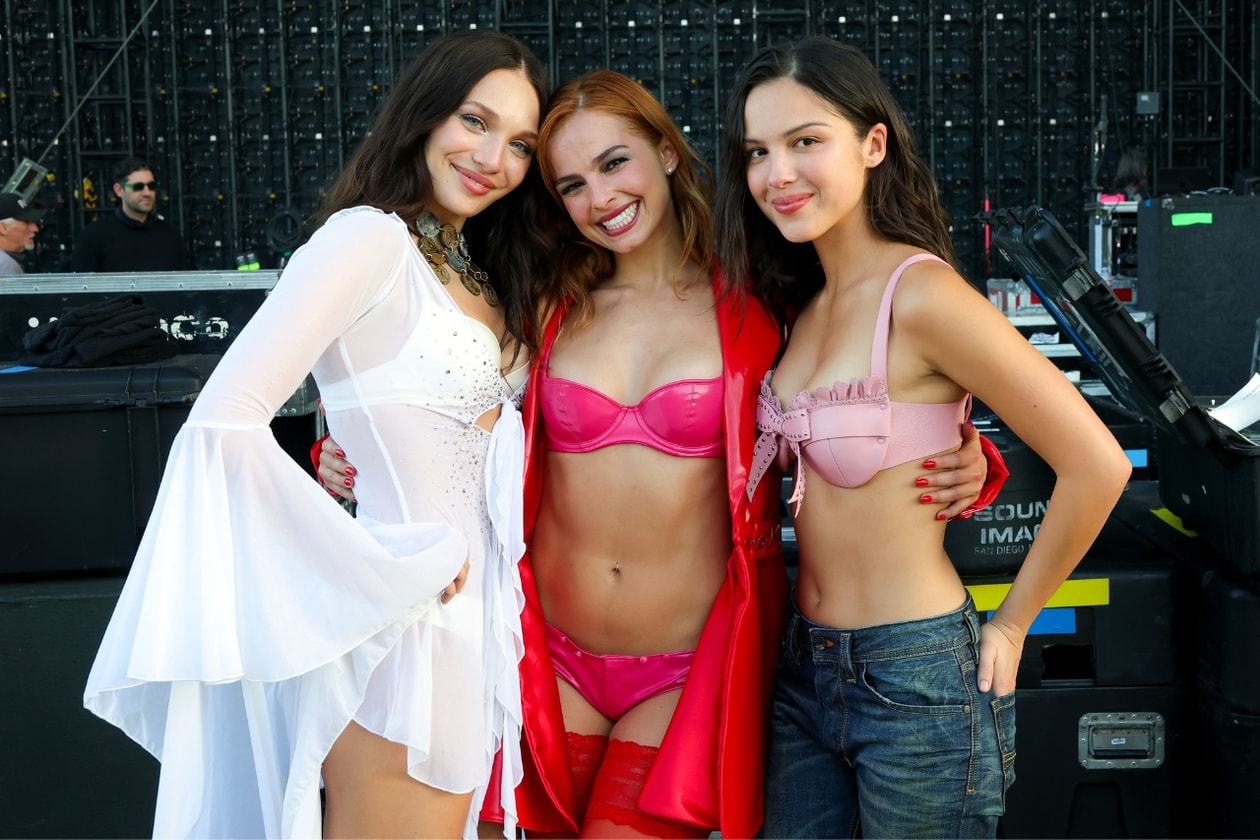
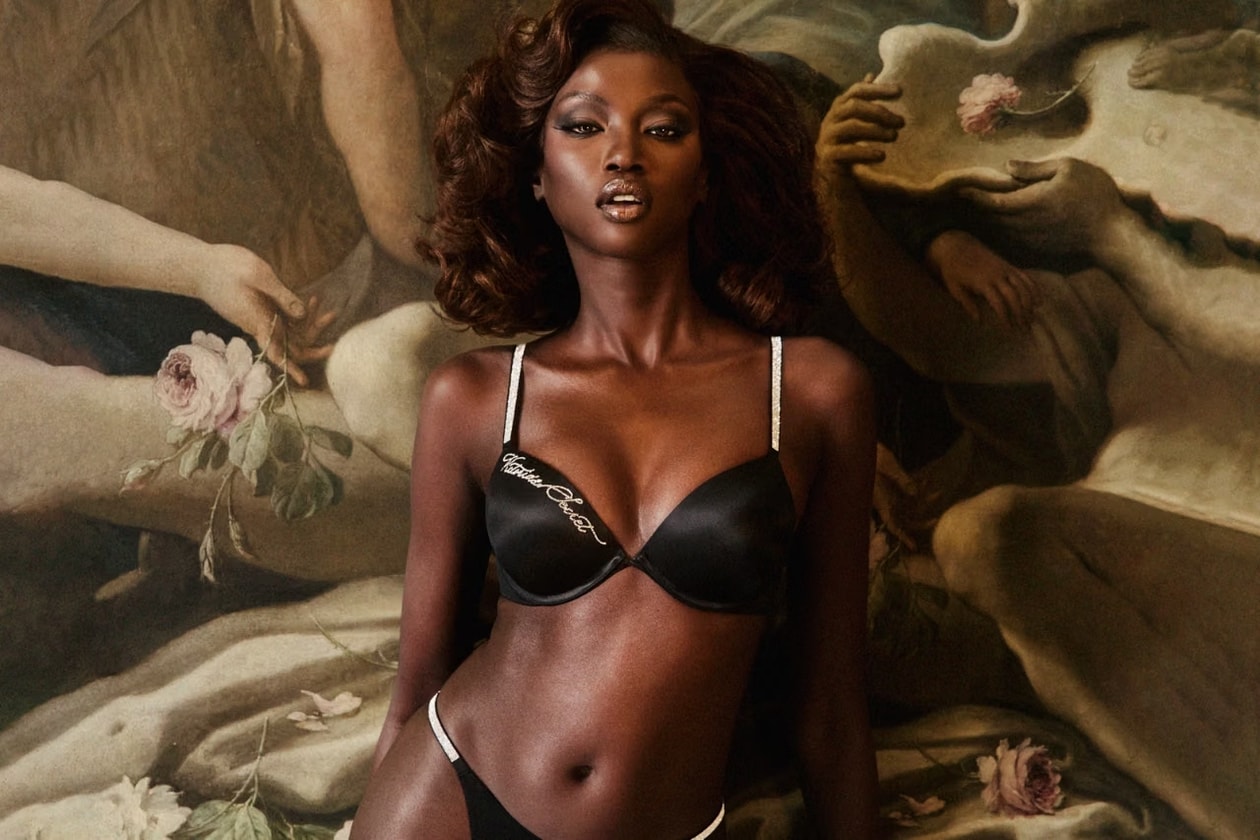
Off the runway, the pop girls are telling a similar tale. PinkPantheress, Addison Rae, Olivia Rodrigo, Charli XCX, KATSEYE and Sabrina Carpenter have all built stage looks around bras worn as tops, while Victoria’s Secret launched a campaign in ode to its push-up heritage, and Underdays dropped its first-ever bra collection. The appetite is clearly real, and there’s something genuinely worth celebrating in it, too. Against a backdrop of girlhood and innocence dominating one end of fashion, there’s something freeing about the other end choosing to own sexuality outright rather than disguising it as something softer, something to hide.
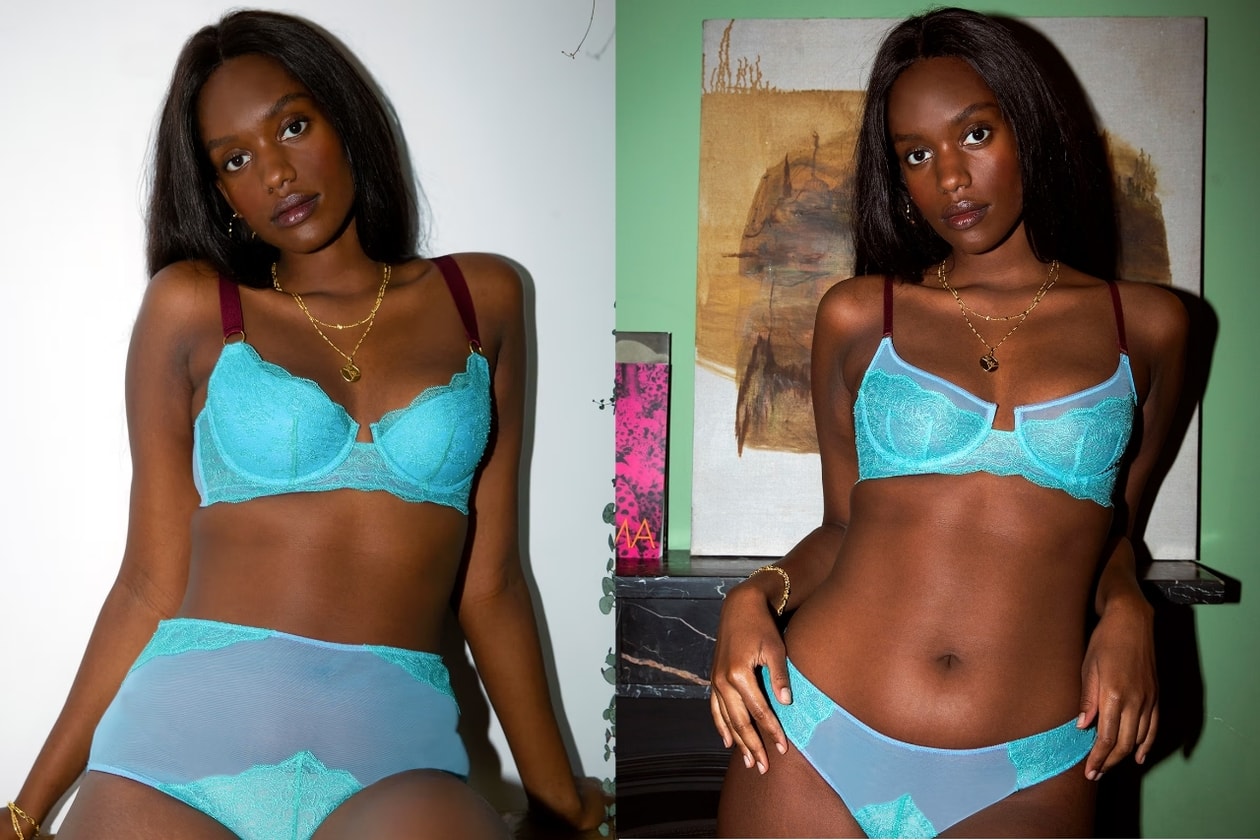
But for bigger-chested women, cleavage never actually left. Structured, underwired support has remained a practical reality for many women with larger busts. Their bodies didn’t suddenly become unfashionable when the bralette became the It-bra, nor did they collectively decide that cleavage was no longer cool. In fact, bigger-chested women have spent years navigating a fashion industry that often treats their bodies as something to minimize.
Since Hypebae covered fashion’s ongoing underrepresentation of bigger chests in 2023, the industry has certainly become more willing to show them. But visibility isn’t the same as inclusion. A low neckline on a model with a smaller chest can be read as editorial; put the same neckline on a larger bust and suddenly it can be considered “too much.”
And perhaps the biggest issue with declaring any body part “back” is that… boobs never left. Women’s bodies aren’t trend cycles, moving in and out of fashion alongside skinny jeans. Yet the language we use around them suggests otherwise, as though the bigger-chested women exist outside of fashion simply because their bodies didn’t fit the prevailing silhouette.
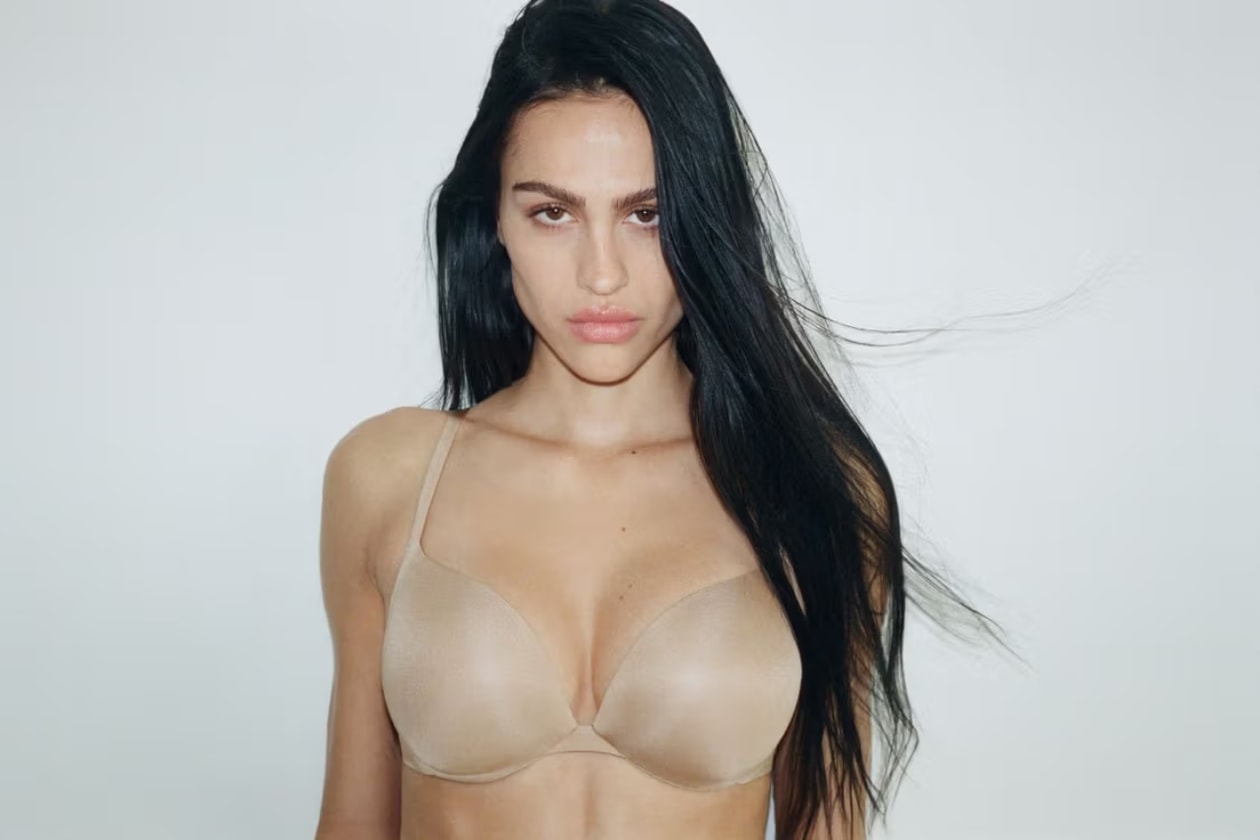
And of course, the conversation goes both ways. The ‘fashion boobs’ discourse made the smaller-chested women feel seen, and now the push-up bra can offer a way to hop on the cleavage trend. But it is important to note that, if you’re on the other end of the spectrum, it’s a lot harder to alter your chest for a smaller silhouette.
Maybe the return of cleavage can be a good thing. Maybe seeing more boobs on runways will finally force designers to acknowledge that breasts come in more than one size, shape and proportion. Maybe the push-up is less a regression than a reminder that women can dress sexually without it automatically being framed as a problem. But for that to happen, fashion needs to stop celebrating the idea of cleavage and start accommodating the bodies that actually have it. The push-up bra is back. Whether it’s back for everyone is a different question entirely.